How to Become a Recognised and Reliable Beauty Industry Judge
Professional Guide | Core Requirements | Membership Thresholds | Judging Criteria Development
Government-Recognised Qualifications Framework Instructor Certification · Objective and Neutral Judging System · Promoting Industry Standardisation
As the beauty industry moves towards internationalisation, there is growing attention on professional assessment standards, event credibility, and the professional status of judging panels. Whether you are a seasoned frontline practitioner, a training instructor, or an industry manager, many aspire to become recognised professional competition judges. This not only enhances personal visibility and influence within the industry but also contributes to raising overall technical standards and service uniformity from an objective and neutral standpoint.
From an objective and neutral perspective, this guide explains the requirements for becoming a qualified and credible beauty judge, the most recognised beauty skill competitions at local and international levels, the entry thresholds for becoming an official competition judge, and key topics such as "the importance of the judging panel and the organiser" and "how to scientifically develop and reasonably revise judging criteria." The content focuses on industry-wide standards without any biased recommendations or comparisons.
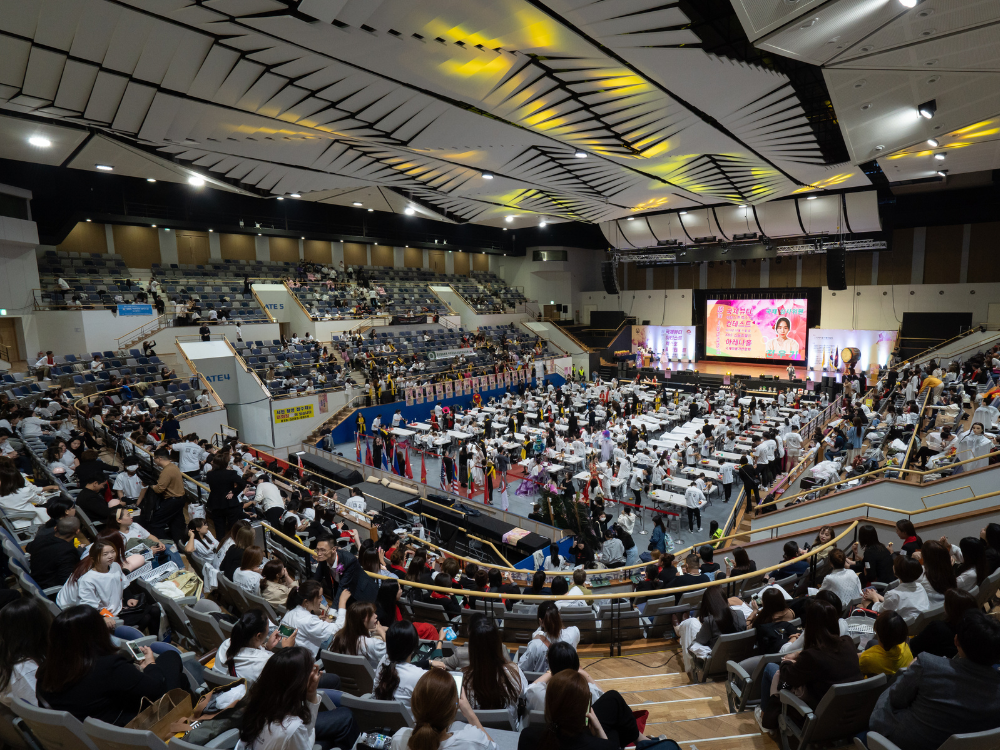
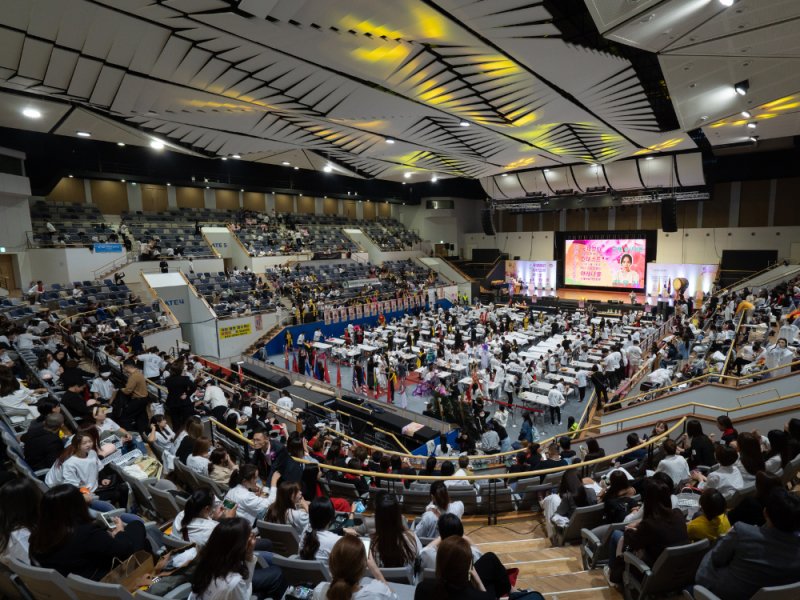
Professional judges strictly enforce scoring standards to ensure fairness
1. Core Requirements to Become a Reliable, Objective, and Industry-Recognised Beauty Judge
Becoming a credible professional judge does not rely solely on years of experience. Several core requirements must be met, among which holding a government-recognised Qualifications Framework certification (instructor or skills) is the most crucial.
1.1 Essential: Hold a government-recognised Qualifications Framework instructor certification
You must hold a Hong Kong Qualifications Framework (HKQF) Beauty Education and Training Instructor qualification or an equivalent official instructor certification. This is a mandatory condition because judging work requires applying professional assessment principles from the education and training field. It helps unify judging mindsets and logic, stabilises the technical level and overall quality of the competition, and maximises objectivity and neutrality, preventing subjective bias from affecting results. This is the most fundamental threshold for serving as a judge in a highly recognised competition.
1.2 Relevant professional qualifications
Hold professional qualifications corresponding to the area you will judge, or internationally recognised beauty certifications widely accepted in the market. The scope of your qualifications must cover the technical field you will assess, ensuring you have sufficient expertise to make professional judgments.
1.3 Sufficient industry practical and teaching experience
Have years of frontline beauty industry work experience, familiar with mainstream techniques, hygiene codes, and operational models. At the same time, have a certain length of teaching, training, or internal assessment experience, accumulating rich evaluation experience and understanding the technical development path of learners and practitioners.
1.4 Adhere to professional judging ethics
Be familiar with unified assessment standards, focusing on technical completeness, operational standardisation, hygiene details, and overall presentation. Strictly follow conflict-of-interest rules, unaffected by personal relationships or commercial factors, maintaining a fair and neutral professional attitude at all times.
QF instructor qualification is an essential foundation for becoming a professional judge
2. Most Recognised Skill Competition Categories in the Beauty Industry
There are many beauty skill competitions in Hong Kong and Asia. The industry generally defines a competition's level of recognition through the organiser's background, the qualifications of the judging panel, and the alignment of competition standards.
Overall, large-scale skill competitions that align with official Qualifications Framework standards and are jointly organised by regional industry groups and educational institutions have the highest industry recognition. Such competitions adopt a unified assessment mechanism, have a wide range of participants, and competition results serve as a valid reference for practitioners' professional abilities.
Internal exchange competitions organised solely by a single brand or institution are mostly for promotional or internal purposes. They lack unified official judging standards, and their recognition is largely limited to their own scope, making it difficult to gain widespread industry acceptance.
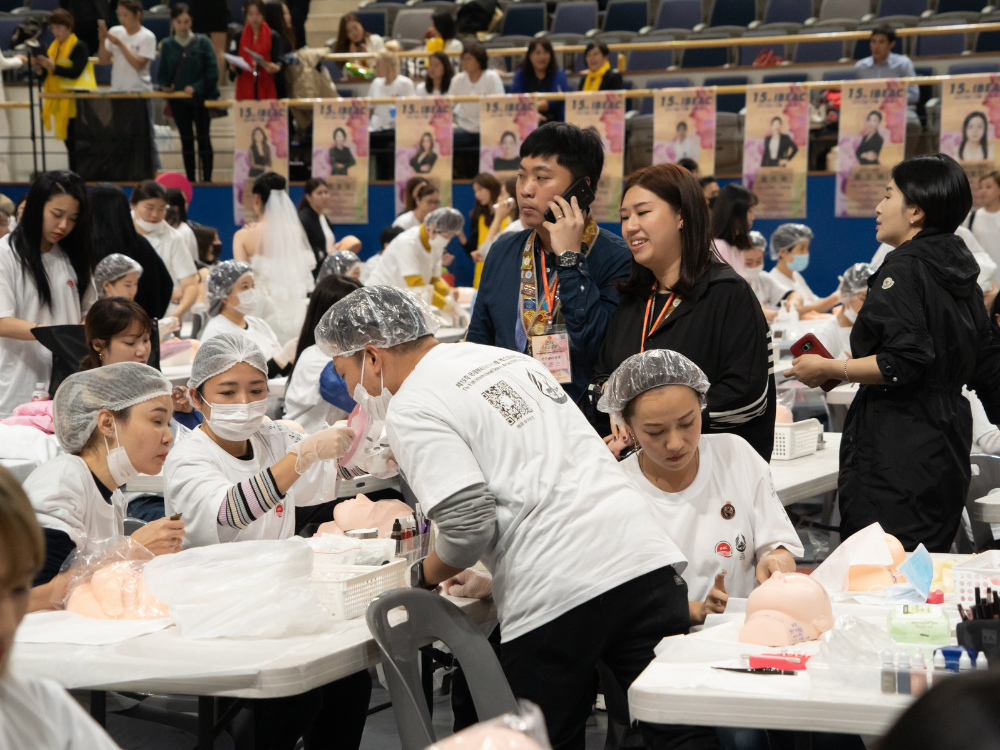
Large international competitions adopt unified assessment mechanisms and enjoy the highest industry recognition
3. Mandatory Qualifications to Become a Highly Recognised Competition Judge
Currently, all major credible professional beauty competitions have clear and industry-aligned uniform membership conditions for those applying to join the judging panel.
Basic mandatory qualifications
- Good personal conduct, abiding by social norms and professional beauty ethics, with a positive industry image and reputation.
- Long-term and stable experience in the beauty industry, with deep understanding of industry trends and market realities.
- Hold a Hong Kong government-recognised Qualifications Framework instructor or relevant skill certification, able to flexibly apply professional assessment principles from the education field.
- Possess professional qualifications matching the judging area, with solid technical foundation and expertise.
- Agree with the competition's philosophy and scoring system, willing to participate in unified judge training, and keep up with evolving industry standards.
Added advantages in professional qualifications
- Hold advanced Qualifications Framework professional qualifications or high-level international beauty certifications.
- Prior experience as a judge in large public competitions, internal assessment for QF courses, or proctoring professional courses.
- Long-term participation in industry academic exchanges, technical seminars, and continuous professional development courses.
Follow-up development mechanism
Those who pass the qualification review must attend the organiser's unified judge training to become familiar with scoring rules, on-site workflows, and key assessment points. After completing the training and passing an internal professional assessment, they will be included in the officially recognised judge talent pool, receiving priority invitations to serve as judges in various large-scale, highly recognised beauty skill competitions. Meanwhile, the industry encourages active judges to engage in continuous learning, staying updated on new techniques and assessment concepts, maintaining the professionalism and recognition of their judge status.
4. Importance of Judges and Organisers – Determining Event Credibility and Industry Influence
A highly recognised beauty skill competition's core value lies not only in selecting outstanding practitioners but also in establishing industry technical standards and guiding industry direction. This requires the synergy between an "excellent judging panel" and a "professional organiser". The two complement each other and are indispensable, directly determining the event's credibility and industry influence.
4.1 Core role of the judging panel
The judging panel is the "soul" of the competition. Their professionalism and objectivity directly affect the fairness of results and the competition's level of recognition.
Standard enforcers: Implement established judging criteria, distinguish between good and poor techniques, and ensure fair and reasonable scoring, avoiding subjective bias.
Industry guides: The scoring tendencies and attention to technical details of judges indirectly guide practitioners' technical development, promoting uniform technical standards across the industry.
Credibility supporters: The judges' own professional qualifications (e.g., QF instructor certification) and industry reputation form the core basis for public and industry trust – only when judges are sufficiently professional and neutral will competition results be recognised, building long-term credibility.
Standard enforcers: Implement established judging criteria, distinguish between good and poor techniques, and ensure fair and reasonable scoring, avoiding subjective bias.
Industry guides: The scoring tendencies and attention to technical details of judges indirectly guide practitioners' technical development, promoting uniform technical standards across the industry.
Credibility supporters: The judges' own professional qualifications (e.g., QF instructor certification) and industry reputation form the core basis for public and industry trust – only when judges are sufficiently professional and neutral will competition results be recognised, building long-term credibility.
4.2 Core role of the organiser
The organiser is the "foundation" of the competition, responsible for building a fair competition platform and developing a scientific assessment system, providing support and assurance for judging work.
Platform builder: Integrate industry resources, organise reasonable competition processes, provide standard competition environments and equipment, ensuring participants compete under equal conditions, creating an objective basis for judging.
Rule maker: Lead the development and improvement of judging criteria, coordinate judge training and management, ensuring all judges follow uniform standards and processes, avoiding scoring inconsistencies.
Credibility gatekeeper: The organiser's background (e.g., jointly organised by industry groups and educational institutions) and approach determine the competition's neutrality – no bias towards any participant, no commercial interests, earning trust from the industry and public, enhancing the competition's recognition.
Platform builder: Integrate industry resources, organise reasonable competition processes, provide standard competition environments and equipment, ensuring participants compete under equal conditions, creating an objective basis for judging.
Rule maker: Lead the development and improvement of judging criteria, coordinate judge training and management, ensuring all judges follow uniform standards and processes, avoiding scoring inconsistencies.
Credibility gatekeeper: The organiser's background (e.g., jointly organised by industry groups and educational institutions) and approach determine the competition's neutrality – no bias towards any participant, no commercial interests, earning trust from the industry and public, enhancing the competition's recognition.
4.3 Key points for collaboration between judges and organisers
Only with positive collaboration can judges and the organiser create a high-quality, highly recognised competition: the organiser sets scientific criteria and provides comprehensive support, the judging panel strictly enforces criteria and maintains neutrality; mutual supervision and cooperation ensure fairness, truly realising the competition's industry value.
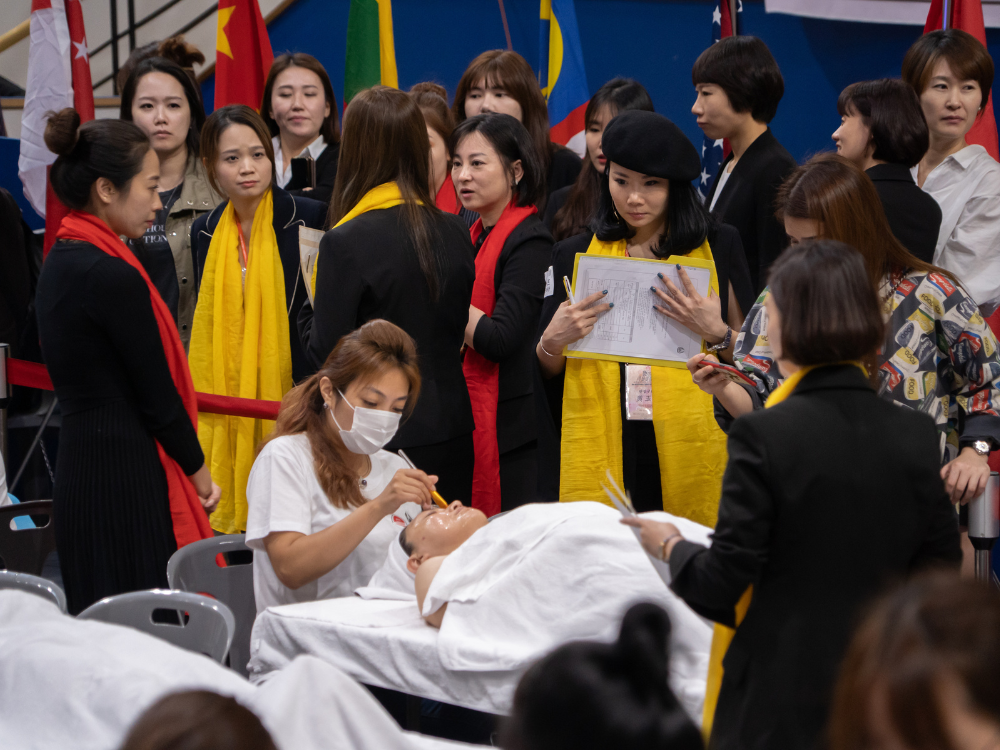
An excellent judging panel and a professional organiser jointly build competition credibility
5. How to Develop and Revise Judging Criteria – Ensuring Competition Quality and Objectivity
Judging criteria are the sole basis for judging work. Their scientific nature, rationality, and operability directly affect the objectivity of results and the quality of the competition. Whether establishing new criteria or revising existing ones, the core principles of "objectivity, fairness, alignment with industry standards, and alignment with competition positioning" must be followed.
5.1 Method for developing judging criteria (core steps)
Developing criteria is not arbitrary but involves combining industry standards, competition positioning, and technical characteristics through multiple rounds of validation, ensuring every scoring indicator has a basis, is quantifiable, and is not vague.
- Clarify competition positioning and core purpose (technical competition / creative competition / novice group / advanced group)
- Align with industry standards and official requirements (HKQF competency standards, ITEC/VTCT assessment requirements, hygiene and safety norms)
- Break down scoring indicators to ensure quantifiability (technical operation, hygiene and safety, overall presentation, creativity, with corresponding weights)
- Seek broad opinions and repeated validation (invite experienced judges, industry experts, institution instructors, etc.)
- Clarify scoring details and exceptional cases (including handling of equipment failure or operational errors)
5.2 Method for revising judging criteria (reasonable adjustments while maintaining stability)
Judging criteria are not static. They should be adjusted in a timely manner based on industry technical development, market changes, and competition feedback, but the revision process must be cautious to ensure stability and continuity.
- Collect revision justifications (judge feedback, participant suggestions, new industry techniques, updates to official standards)
- Define the scope of revision to avoid major changes (mainly optimisation and refinement, weight changes within ±5%)
- Multiple rounds of validation, open for opinions
- Announce changes in advance and organise judge training
- Follow up on implementation feedback and make timely corrections
5.3 Core principles for developing and revising criteria (must follow)
Objectivity, fairness, alignment, operability – ensure scoring indicators have a basis, apply to all participants, align with industry standards, and allow judges to score quickly and accurately.
6. Significance of a Professional Beauty Judging System for Industry Development
Establishing a well‑regulated beauty industry judging system has a profound impact on the long‑term healthy development of the entire beauty industry. Using industry professionals with instructor qualifications as the main judges, applying professional assessment thinking from the education field, can effectively unify technical evaluation standards across the industry and alleviate the problem of uneven technical levels.
At the same time, a standardised judge selection mechanism can strongly support the growth of the younger generation, building a complete talent pipeline. Through professional competition experience and formal judge training, it cultivates a new generation of judges who combine solid technical skills with a fair and objective attitude, driving overall improvement in technical quality and service levels in the beauty industry.
As the industry continues to develop, major professional competitions will keep optimising their judging systems and selection criteria, improving the collaboration mechanism between judges and organisers, and scientifically developing and adjusting judging criteria. This will allow more seasoned professionals with real expertise and a genuine passion for the industry to formally join the ranks of professional judges, working together to build a fair, just, healthy, and orderly environment for the beauty industry.
7. Self‑Assessment Checklist – Do you have the potential to become a highly recognised beauty judge?
The following checklist corresponds to the core requirements above. Use it to quickly assess whether you meet the basic conditions for becoming a judge and identify areas for improvement.
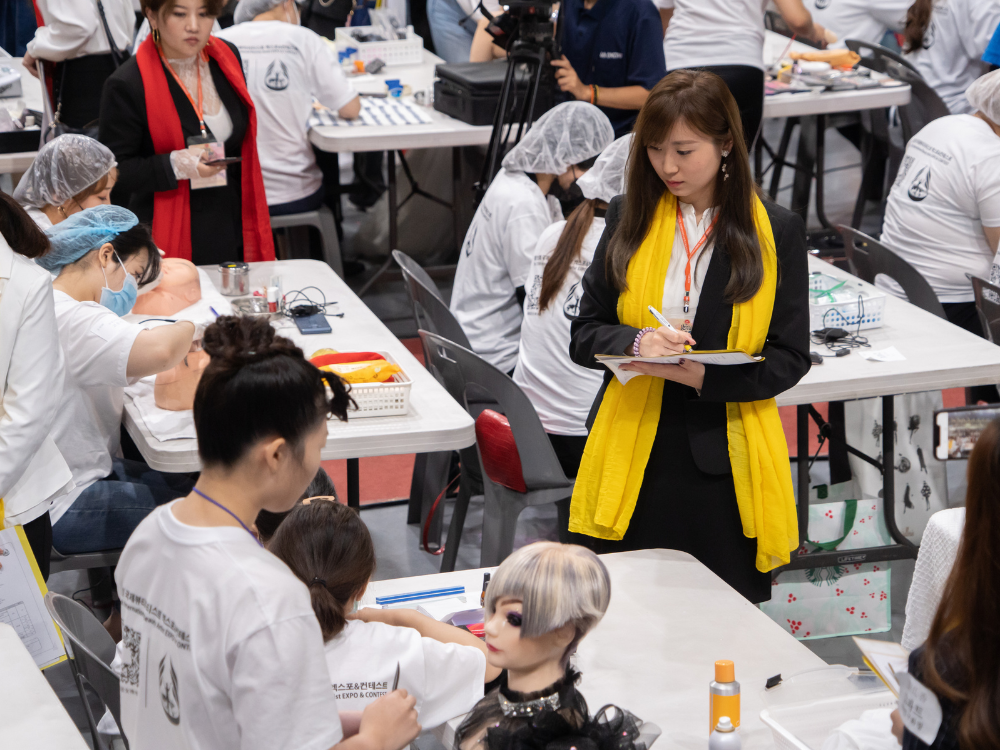
Continuous learning and self‑assessment are key to maintaining professional judging standards
- Hold a government‑recognised Qualifications Framework certification in beauty (or an equivalent official qualification)
- Hold professional qualifications relevant to the intended judging area (HKQF Hong Kong Qualifications Framework or VTCT Skills ITEC RQF EQF international framework)
- Have at least 2 years of frontline beauty industry practical work experience
- Familiar with Qualifications Framework standards and beauty industry hygiene and safety regulations
- Able to apply assessment principles from education and training to objectively perform judging work
- Willing to abide by judging ethics, avoid conflicts of interest, and remain neutral and fair
- Agree with the philosophy of highly recognised competitions and willing to participate in unified judge training
- Have a good industry reputation with no adverse practice records
✅ Verification notes:
The first 4 items are the "essential foundation" – all must be checked to be eligible to apply. The last 4 items are "plus / desirable conditions" – the more checked, the higher the chance of selection. If any items are unchecked, refer to the corresponding sections above to identify improvement areas.
Professional Judging · Fair and Just · Promoting Industry Standardisation