Table of Contents
TVB "News Perspective" Visits LBEDU Luster Beauty International Education & Training Academy
Released by IQA International Qualifications Assessment | Key Insights into Beauty Qualifications Framework
Recently, TVB's renowned news program "News Perspective" visited LBEDU LusterBeauty International Education & Training Academy (Institution Registration No. IC:854), a beauty education institution registered with the Hong Kong Education Bureau, for an in-depth feature shoot. The visit was coordinated by senior reporter Lai Wai Shan, and Lawrance WONG King Lun, Founding President (Management) of the IQA International Qualifications Assessment and Vice Principal of LBEDU/LBIETA Luster Beauty International Education & Training Academy, personally participated in the filming and interviews. The discussion covered the current state of Hong Kong's beauty education, the practical application of the Qualifications Framework, and industry certification issues, aiming to present the true picture of formal beauty education and address public concerns regarding qualification recognition.
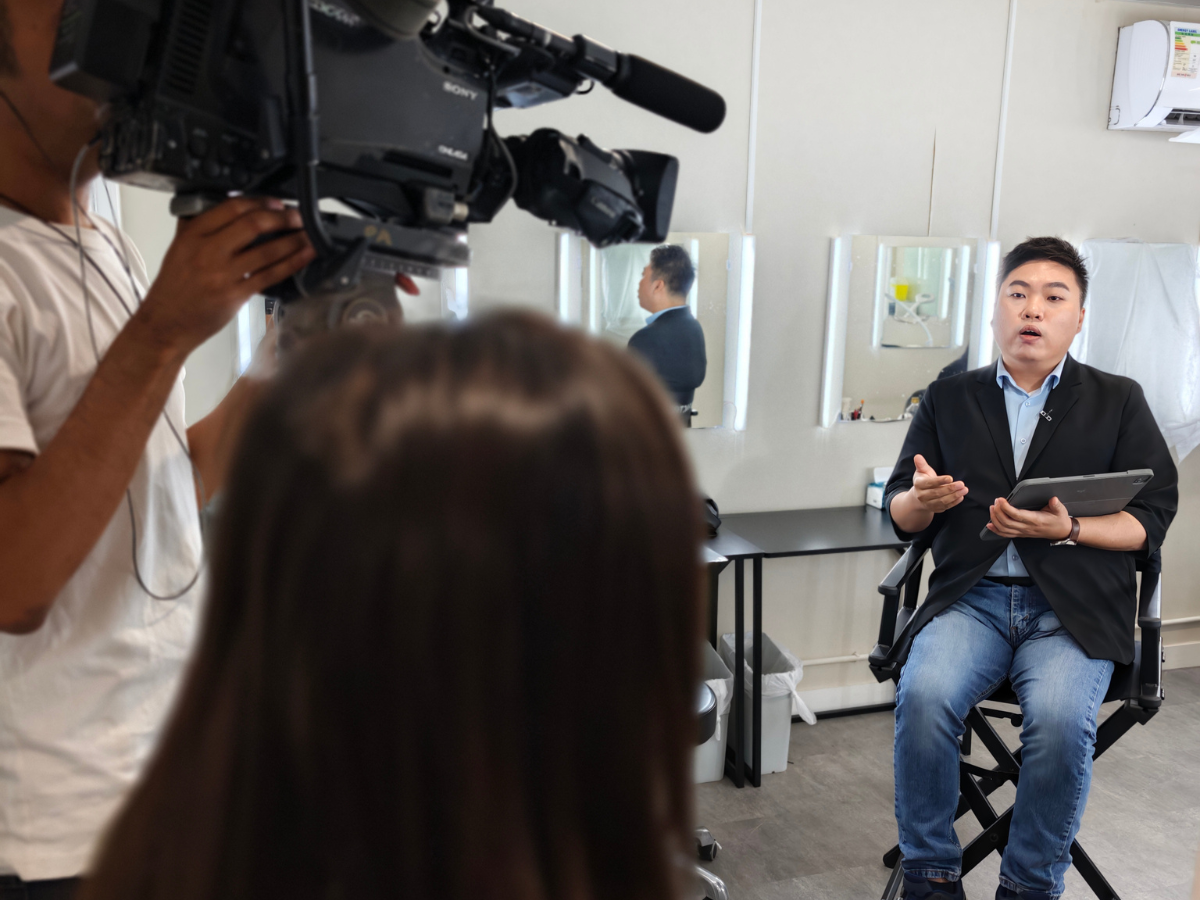
As Founding President (Management) of IQA, Lawrance WONG has been deeply involved in beauty education and international qualification recognition for many years, consistently focusing on "standardizing industry standards and cultivating professional talents." On one hand, he leads IQA in building bridges between Qualifications Framework students and international resources; on the other hand, as Vice Principal of LBEDU, he promotes the implementation of formal beauty education. This is the main reason TVB chose LBEDU as a case study and invited Vice Principal Wong for the interview – to leverage his professional insights to educate the public about the standards of formal beauty education and the importance of the Qualifications Framework and international certifications.
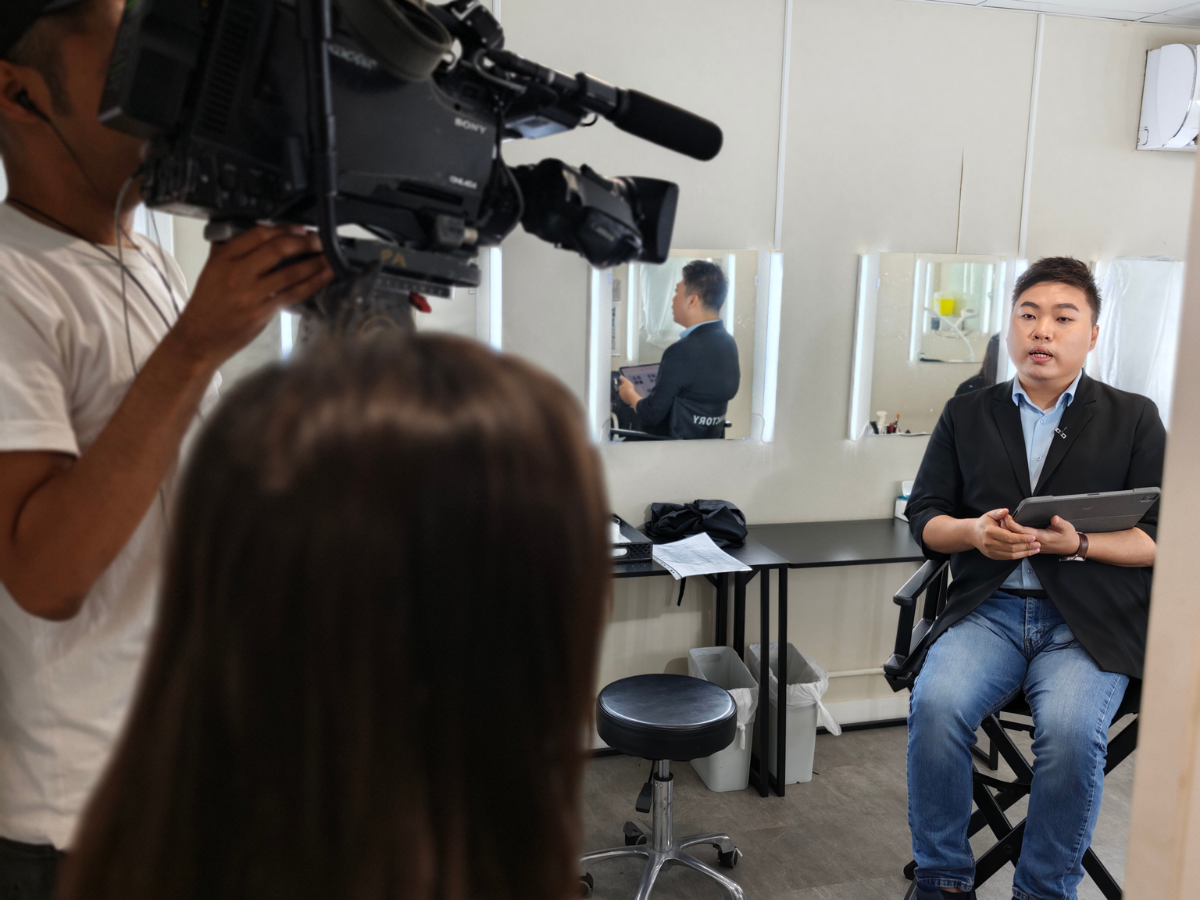
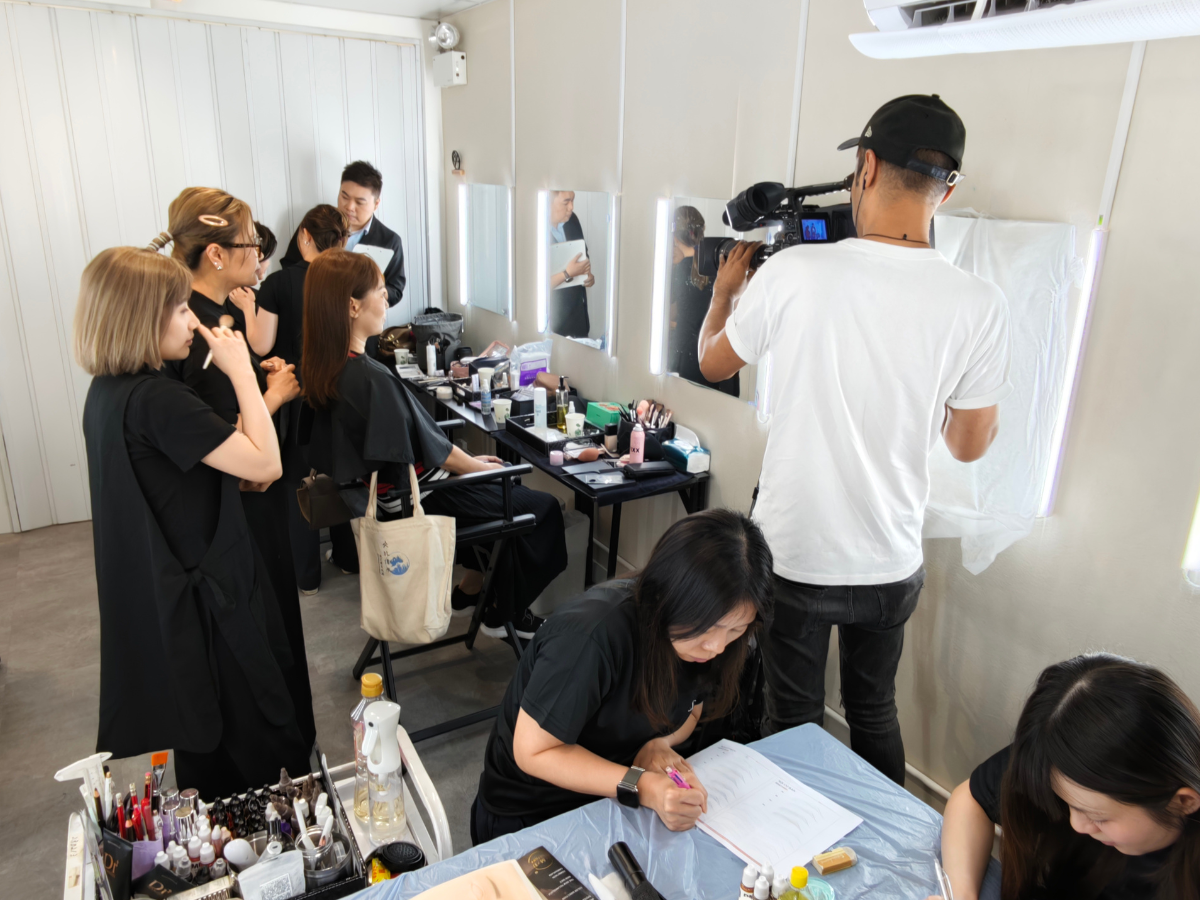
Unlike typical promotional features, the "News Perspective" team focused on pain points and public concerns in Hong Kong's beauty education industry. They adopted an objective, in-depth perspective, capturing authentic scenes of hands-on training and teaching assessments. The visit revolved around three core directions:
- Promote formal education standards: Detailed understanding of requirements for Hong Kong Education Bureau registered institutions in curriculum, faculty, and teaching management – clarifying key differences between "registered institutions" and "ordinary training providers".
- Explain the value of the Qualifications Framework: In-depth inquiry into how HKQF is implemented in beauty training and the practical impact of QF certificates on career entry and transition.
- Regulate certification order: Address public confusion about beauty qualifications, including differences and articulation between HKQF and international certifications (e.g., ITEC/VTCT), advocating industry-wide standardisation.
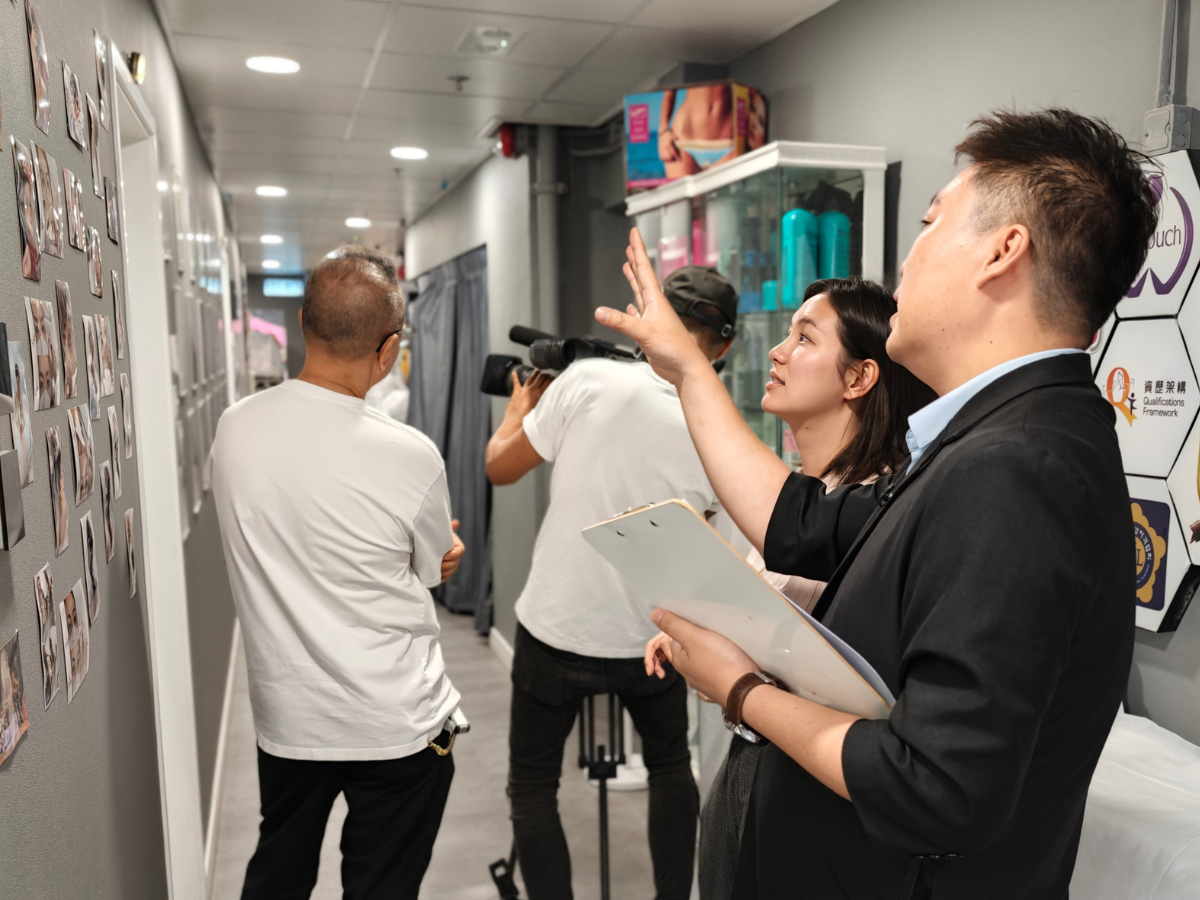
Wong summarised 4 core benefits:
- Enhanced course quality and industry recognition (cross‑territory qualification alignment)
- Reduced financial burden (eligible for Continuing Education Fund subsidies)
- Better career entry (salon owners widely recognise QF certificates)
- Increased client trust
Challenges include preparing background documentation, investing in suitable teaching environments and facilities, securing qualified faculty, financial reserves, and most critically, the course assessment process – ensuring compliance with SMART principles (reliability, measurability, achievability, relevance, timeliness).
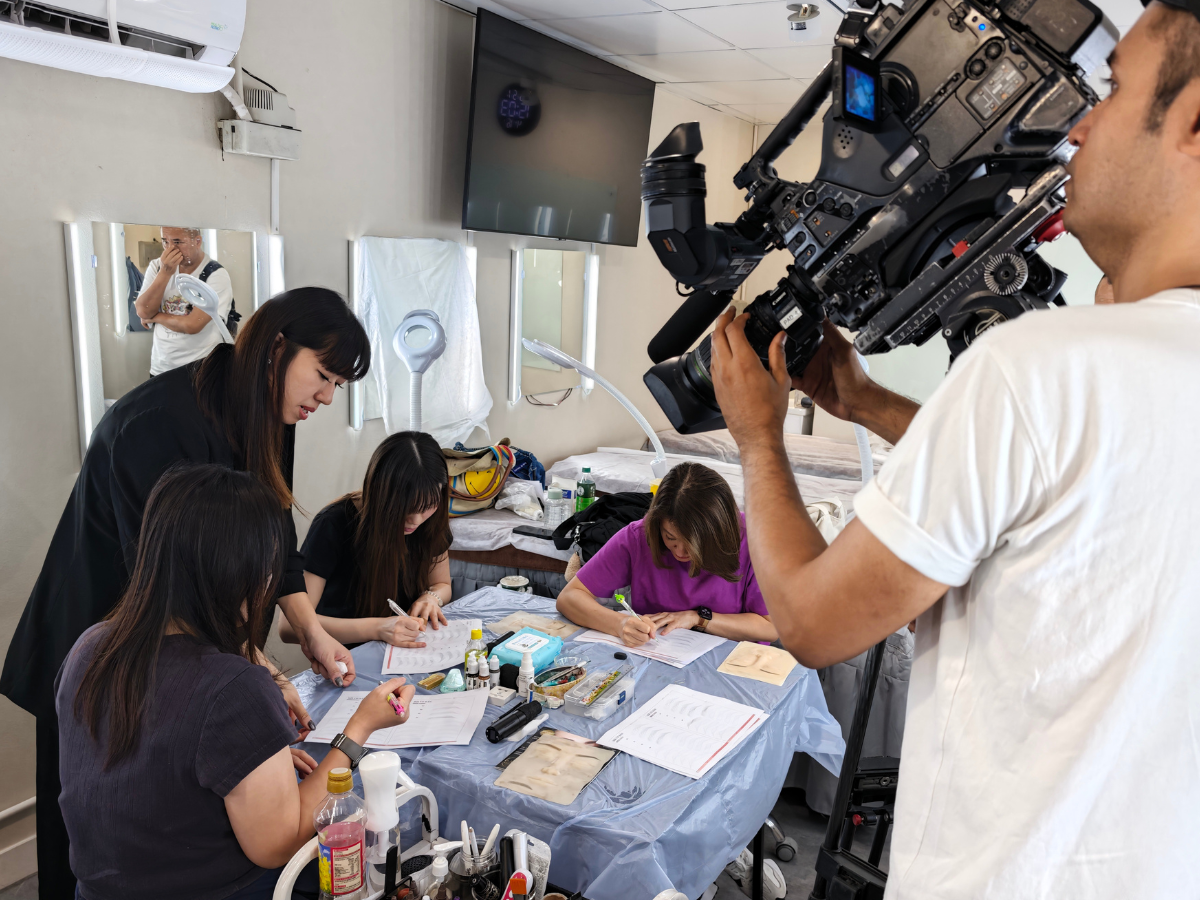
Vice Principal Wong emphasised that credible international certifications must be widely recognised by industries, enterprises, and institutions in at least two countries or regions. He shared verification channels: ofqual.gov.uk (UK), search.dca.ca.gov (California), dos.ny.gov (New York), etc. He reminded that legitimate certifying bodies never claim "holding this certificate guarantees local employment" – certificates primarily attest to technical competence.
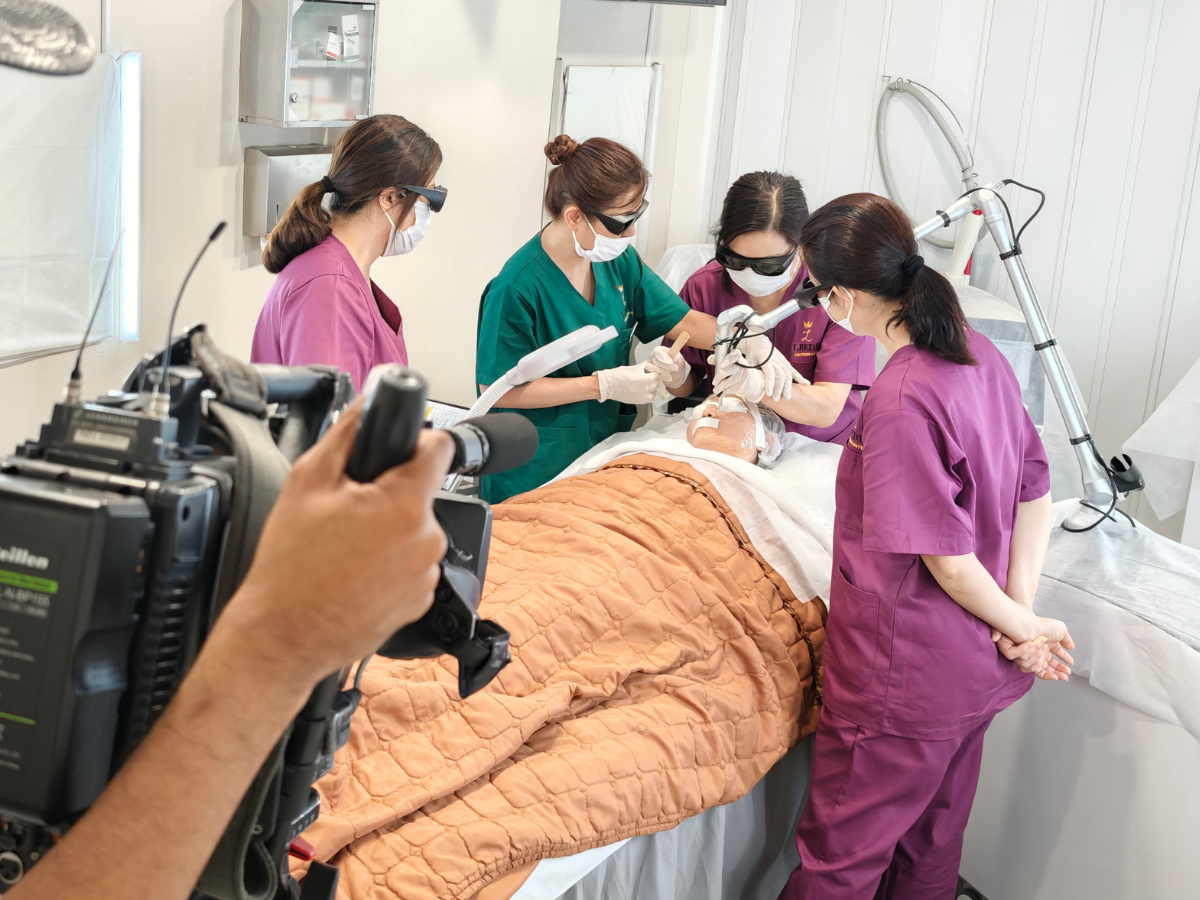
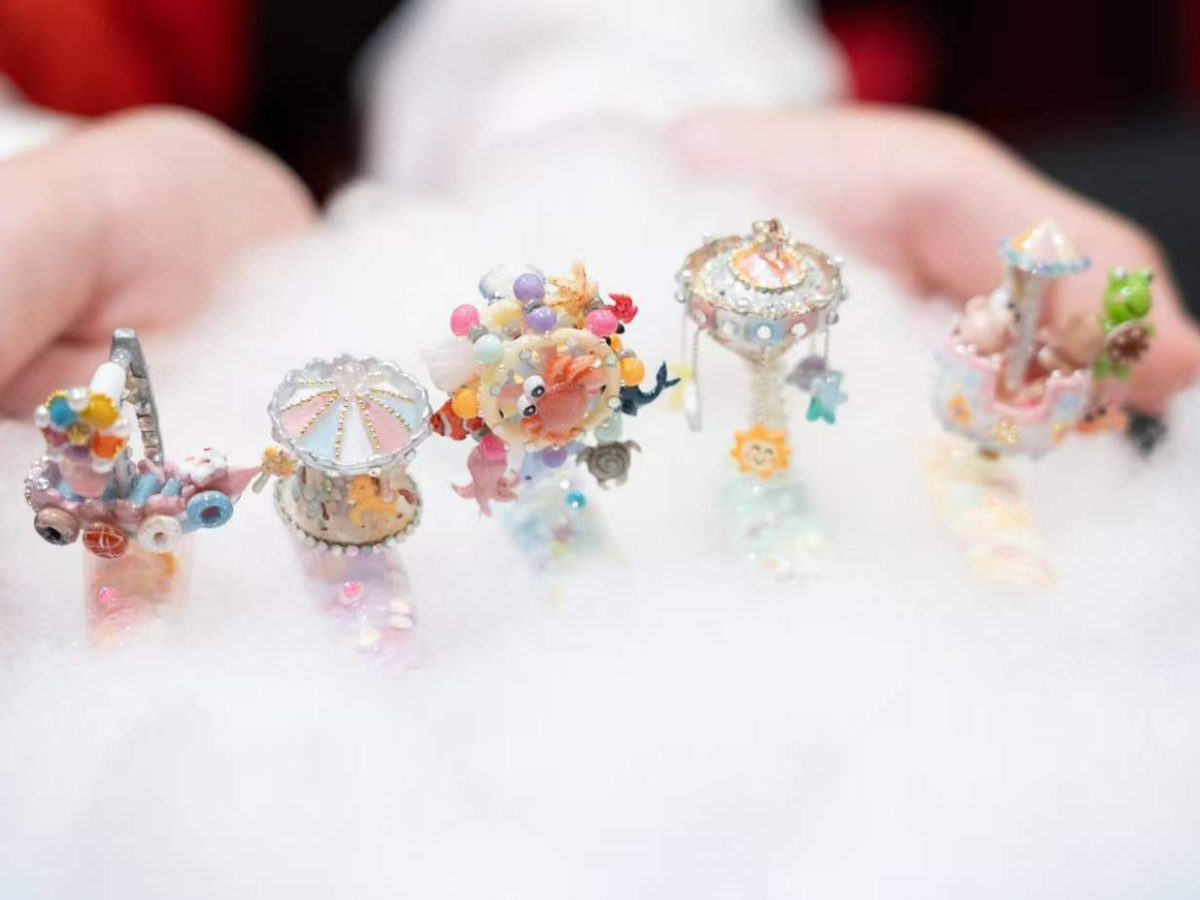
Vice Principal Wong detailed LBEDU's core curriculum, which is based on the Hong Kong Qualifications Framework (HKQF) competency standards and simultaneously aligned with the UK/European international certification systems (ITEC/VTCT), ensuring both professionalism and international compatibility.
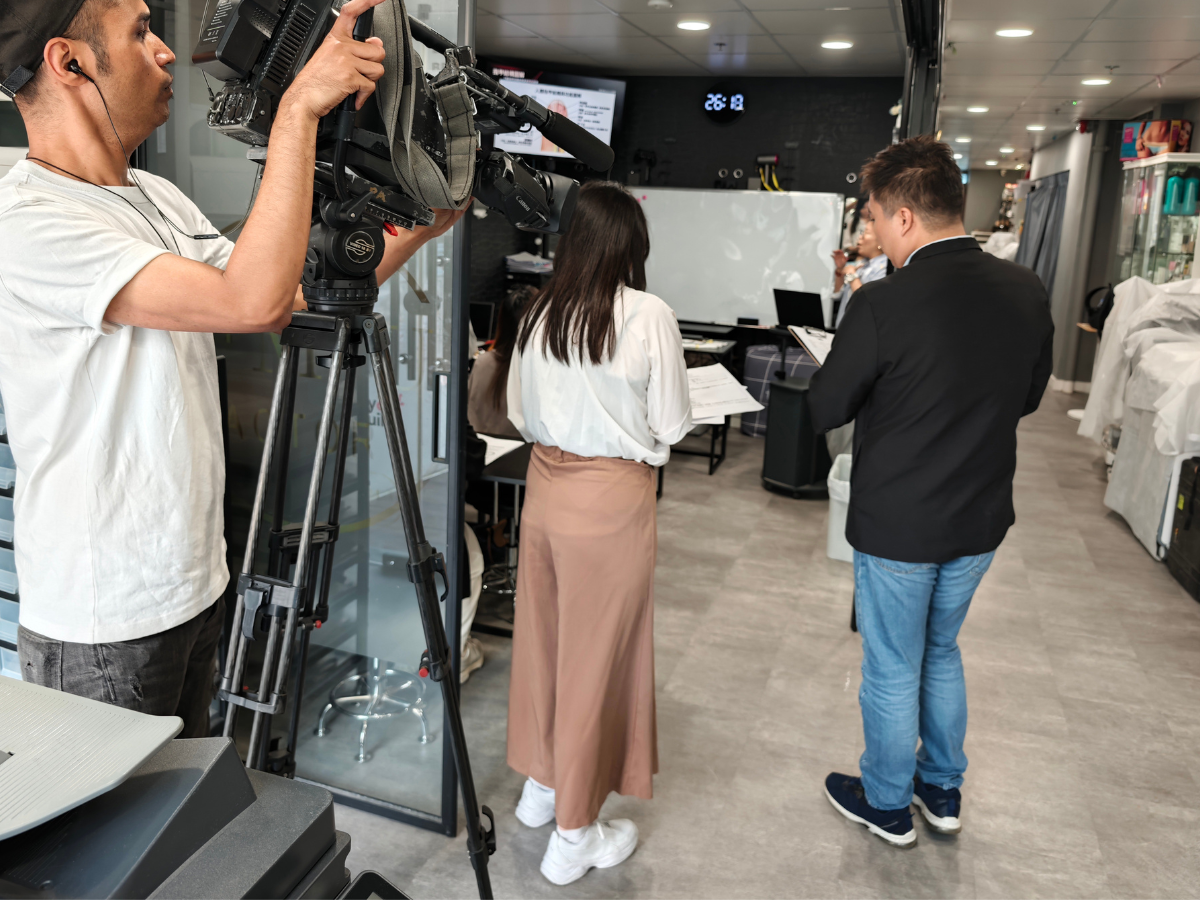
This TVB "News Perspective" visit is not only an affirmation of LBEDU's commitment to quality education and dedication to the beauty field but also a recognition of IQA's efforts to promote industry standardisation. IQA and LBEDU extend their heartfelt gratitude to all faculty, instructors, and students who participated in the filming – your professionalism, solid skills, and passion for beauty education have shown the public the true face of formal beauty education.
We also thank the TVB "News Perspective" team and reporter Lai Wai Shan for their careful questioning and objective documentation, helping the public understand beauty education and qualification recognition, and breaking down misconceptions for healthier industry development.
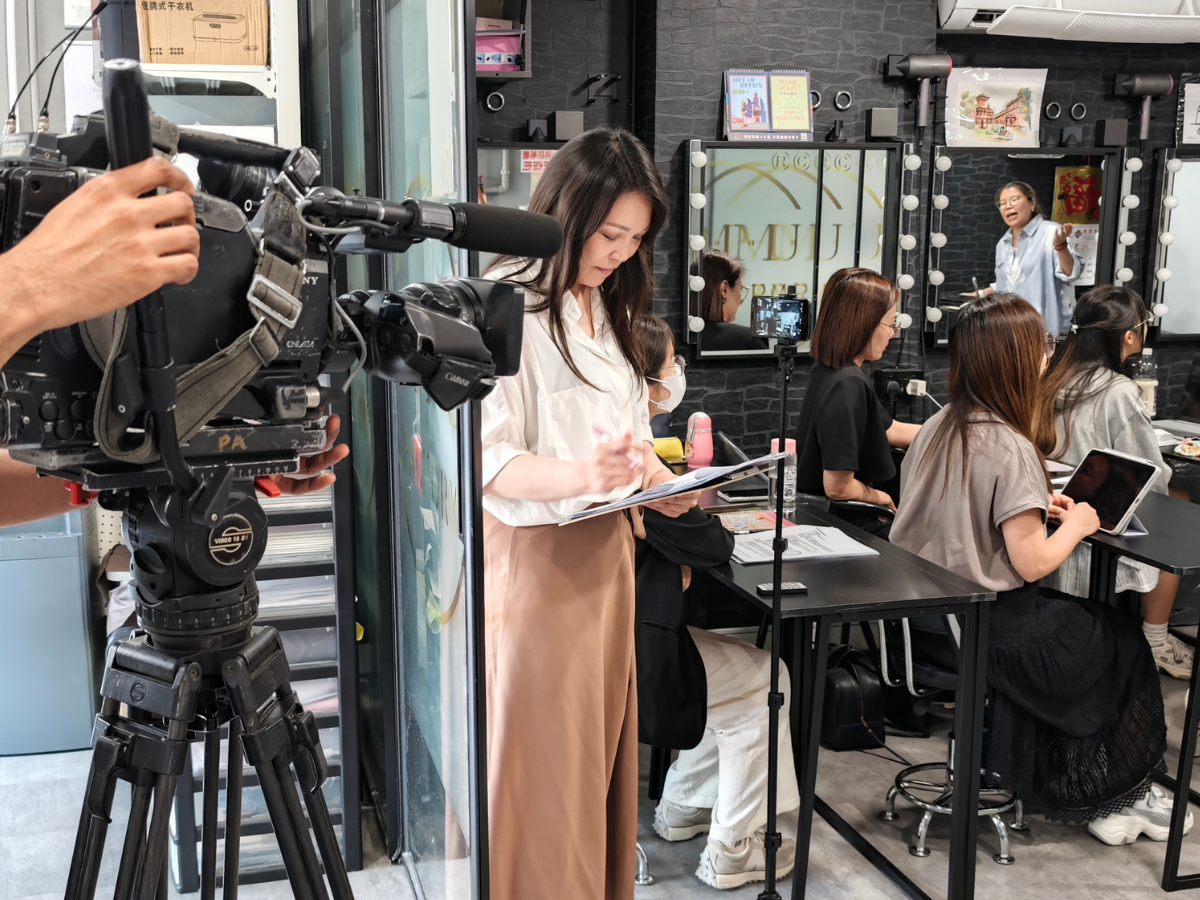
As Founding President (Management) of IQA, Lawrance WONG King Lun stated that he will continue to lead IQA in its core mission of "building bridges and setting standards". IQA will not offer any Qualifications Framework courses itself; instead, it will continue to connect QF students with international and industry resources. Meanwhile, as Vice Principal of LBEDU, he will advance formal beauty education, deepen QF and international certification programmes, and nurture more high-calibre professionals for Hong Kong's beauty industry.
Follow-up Notice
The complete content of this TVB "News Perspective" feature will be released progressively. Please follow the official channels of IQA International Qualifications Assessment and LBEDU Luster Beauty International Education & Training Academy for more professional knowledge on beauty education and qualifications, and to support the healthy, long‑term development of Hong Kong's beauty industry.