2026 LegCo Beauty Prepaid Regulation Consultation|Industry Calls for Balanced Regulation

Article Summary

On 16 July 2026, LegCo held a beauty industry prepaid consumption consultation meeting with over 100 attendees including HKQF Beauty and Hairdressing Industry Training Advisory Committee, industry associations, frontline salon operators and IQA representatives. The meeting focused on the 7-day cooling-off period, 14-day mandatory refund and contract cap under the Trade Descriptions Ordinance amendment. Industry consensus: support effective regulation to eliminate bad operators, while urging balance for SME survival to avoid one-size-fits-all impact. Chair Yang Huijun leading a task force. Industry widely supports HK$15,000 threshold with specific recommendations on admin fees, bank charges and light beauty service differentiation.

Key Points at a Glance

‧ 16 July 2026 LegCo beauty prepaid consumption consultation meeting with over 100 attendees
‧ Chair Yang Huijun leading cross-institution task force to submit formal response to government
‧ Industry widely supports HK$15,000 as regulatory threshold for high-risk contracts
‧ Supports 7-day cooling-off and 2-year contract cap, but calls for exception clauses and scenario-based guidelines
‧ Administrative fee and bank charges mismatch – businesses bear the差额
‧ Joey Wong urges government to clarify "joint service" definition to reduce frontline confusion
‧ Pauly Tse advocates short videos for structured industry voice expression

2026 Beauty Prepayment Ordinance Legislative Council Special Meeting

Industry Representatives Speak Out for Balanced Regulation and Industry Rebranding 16 July 2026|Legislative Council|Cross-Sector Industry Consultation #BeautyPrepayment #TradeDescriptionsOrdinance #7DayCoolingOff #IndustryVoice
Co-authors: IQA International Qualifications Assessment Alliance
(Participating organisations: Hong Kong Qualifications Framework Beauty & Hairdressing Industry Training Advisory Committee, district beauty trade associations, frontline operator representatives, IQA, and LBEDU – over 100 attendees)
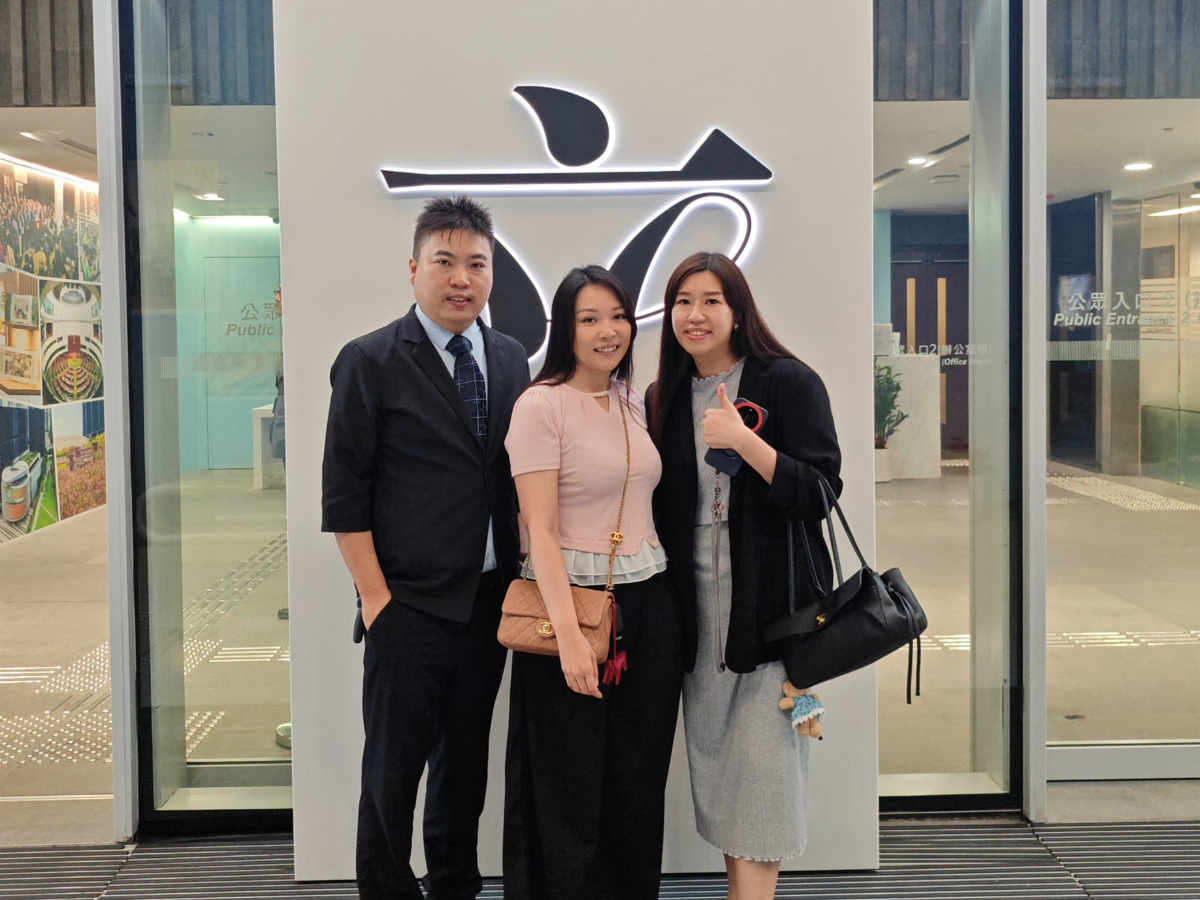
Industry Common Aspirations
For a long time, the beauty industry has been stigmatised with labels like "high-pressure sales" and "prepayment traps." But those who have truly rooted themselves in this industry know that the vast majority of practitioners operate with skill, service, and reputation. The bad apples that tarnish the industry's name are always a tiny minority of opportunists. In June 2026, the government launched a public consultation on amendments to the Trade Descriptions Ordinance regarding prepayment consumption. The industry is not against regulation – quite the opposite: we look forward more than anyone to a truly reasonable legal framework that can drive out the bad actors and protect legitimate SMEs and frontline workers, allowing the beauty industry to earn the respect it deserves through professionalism, rather than being persistently undervalued by the public.
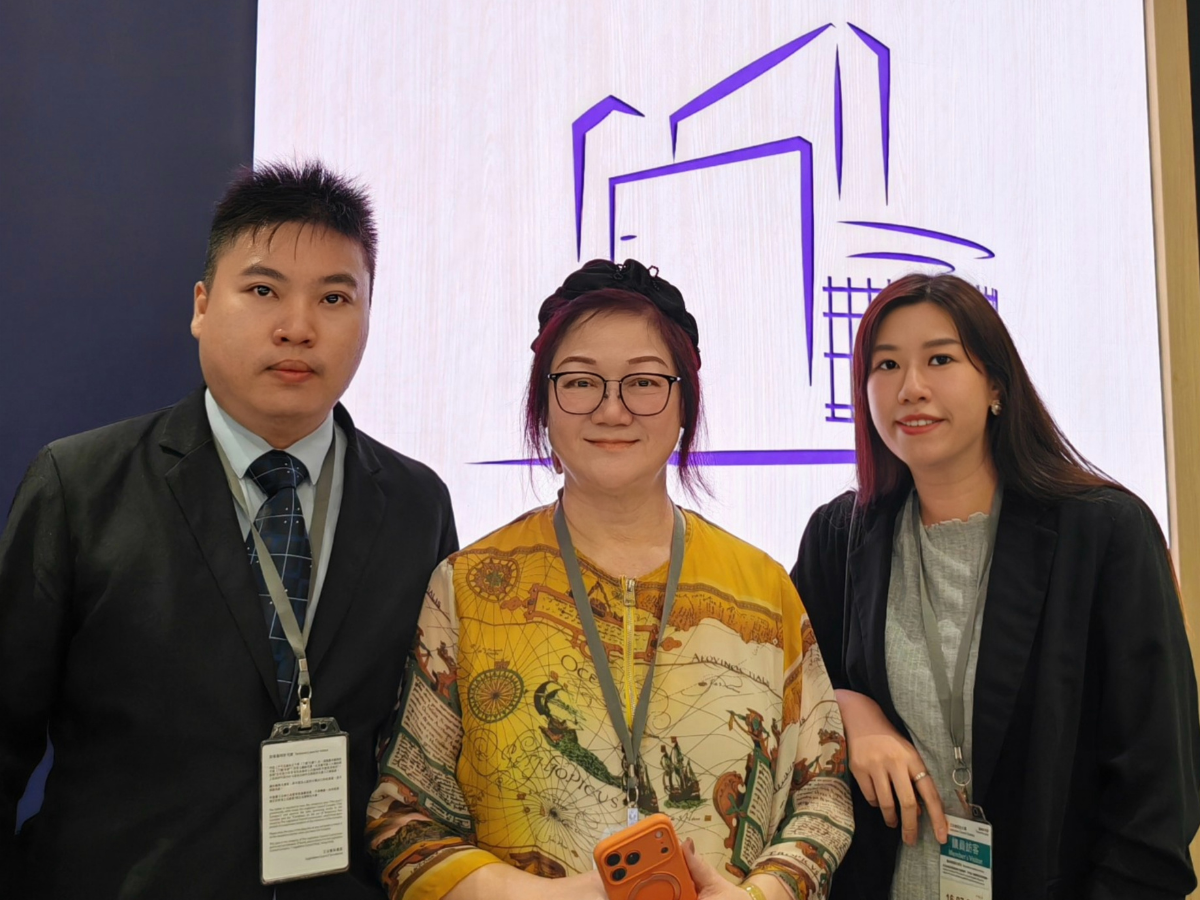
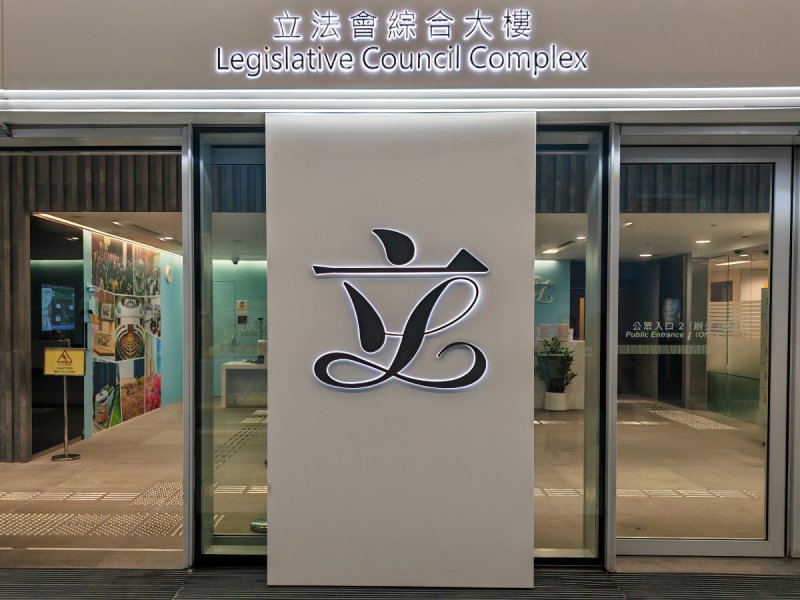
On 16 July 2026, the Legislative Council convened a dedicated meeting on beauty prepayment consumption (referred to as the "716 Meeting" by the industry), bringing together official industry advisory bodies, multiple trade associations, salon operators of various sizes, and training sector representatives. All came with frontline voices and practical suggestions, with one goal: to push the government towards a more grounded, balanced revision that truly targets malpractice without imposing excessive burdens on honest small businesses.
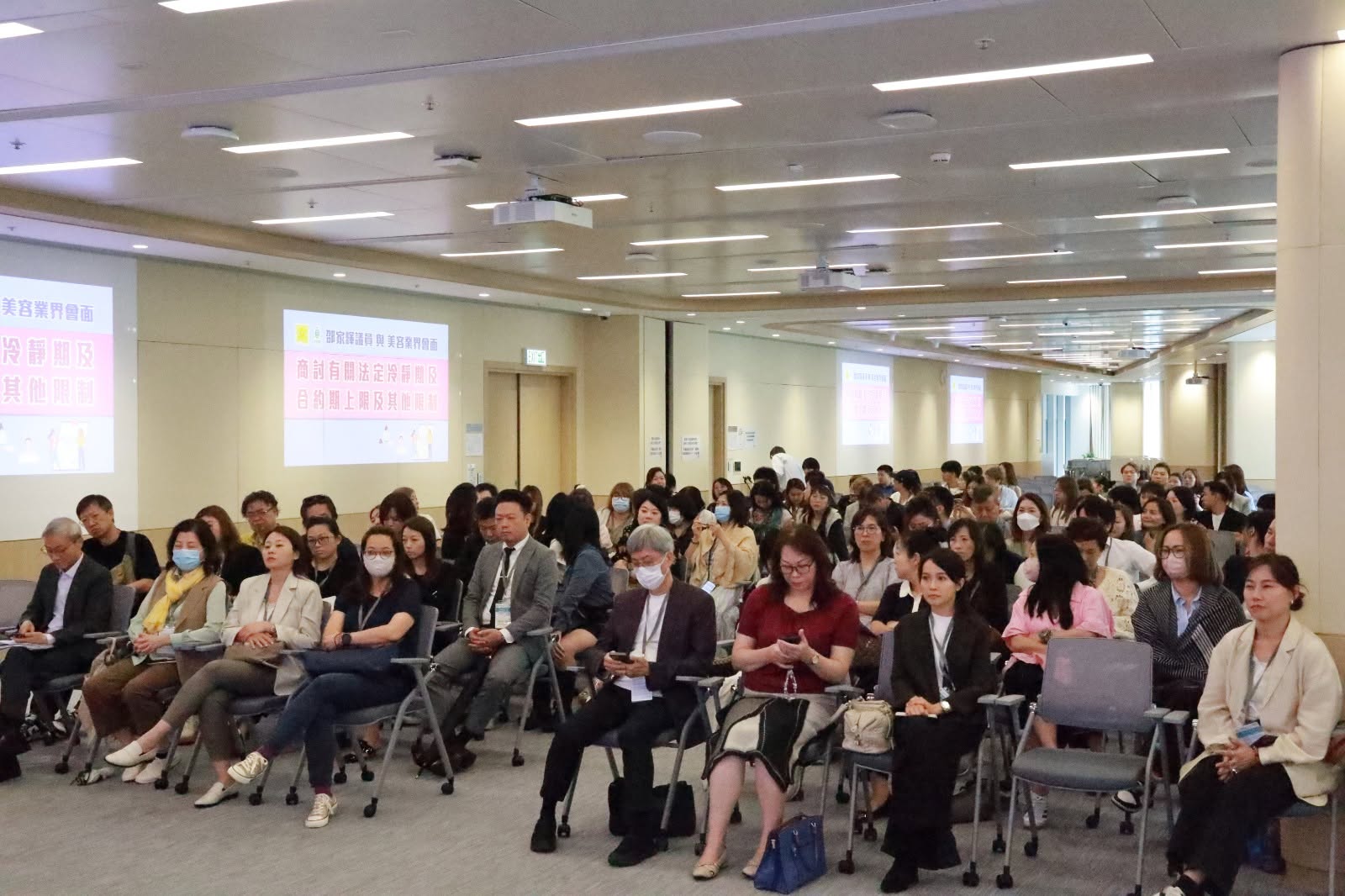
716 Meeting Scene
Figure 1: 716 Meeting – Over 100 industry representatives gathered at LegCo to voice their concerns
1. Diverse Voices at the 716 Meeting
Different roles, same concerns – the ordinance has far-reaching implications
The meeting covered multiple levels from industry advisory bodies to grassroots salons. Participants raised specific questions and improvement suggestions from perspectives including policy macro-view, frontline operations, legal risks, and industry training.
Juliain YANG Hui-chun Chairperson, Hong Kong Qualifications Framework Beauty & Hairdressing Industry Training Advisory Committee

Chairperson Yang pointed out that the proposed amendments on prepayment consumption carry significant impact, particularly the classification as "organised and serious offences." She noted that beauty services have strong service attributes and flexibility, with many daily operations differing from standardised goods. If the provisions are too mechanical and lack situational guidance, they would increase compliance burdens for SMEs without truly achieving consumer protection. After the meeting, Chairperson Yang immediately formed a cross-institutional task force to further discuss action plans with industry representatives, draft formal response documents for government submission, and continue pushing for provisions that better reflect industry realities.

Nelson IP Sai Hung Frontline Operator Representative (SGFS90, SGFS100 – Grassroots Small Shops)

Nelson Ip, who has run a small beauty studio for many years, spoke for grassroots salons. He stated that the amendments hit individual studios and small beauty salons hardest: compliance paperwork doubles, cash flow risks rise, and bank fee differences must be absorbed by the business – a heavy burden for already thin-margin operations. He worries that the final ordinance will not drive away true bad actors – they have ways to circumvent rules – but will instead cause honest, skill-based small shops to close, accelerating the "bad money drives out good" phenomenon and severely undermining the will of grassroots entrepreneurs.

Lawrance WONG King Lun Industry Representative (Beauty Education & Policy Research)

Lawrance Wong highlighted a legal loophole often overlooked: the proposed 7-day cooling-off period is a one-size-fits-all absolute deadline, with no provisions for exceptional circumstances. He cited an example – if a consumer falls seriously ill after signing a contract and holds valid medical proof but misses the 7-day window, being denied a refund is clearly unreasonable. Worse, if a merchant strictly follows the ordinance and refuses a refund request from a seriously ill or disabled person, they may inadvertently violate the Disability Discrimination Ordinance – trapped between compliance and illegality. He strongly recommends adding exception clauses to provide reasonable flexibility for unforeseeable situations.

Joey WONG Cho Yi Industry Representative (Salon Operations Team)

Joey Wong raised a core practical challenge: the definition of "joint services" under Clause 5.4 of the consultation document is too vague. After repeated review, it remains difficult to determine the legal boundary between "modifying service items" and "adjusting service content." In daily operations, changing treatment areas, adjusting equipment parameters, or upgrading product formulas based on skin conditions are common flexible adjustments. But under the current wording, no one can say for sure whether these count as regulated "joint service changes." Frontline staff are left confused, which may actually increase consumer disputes – contrary to the legislative intent. She called on the government to issue scenario-based implementation guidelines with clear examples to reduce execution chaos.

Pauly TSE Shuk Ying Industry Representative

Pauly Tse proposed an optimised way to convey industry demands. She believes that rather than passively waiting for consultation results, the industry should proactively let the government hear more real frontline voices – but these voices must be constructive and well-structured to be taken seriously. She encouraged all beauty practitioners and salon owners to express their views through short videos, following a clear logical order: (1) state your identity, (2) explain the real pain points, (3) question specific clauses, (4) offer improvement suggestions, and (5) issue a collective call to action – tagging relevant industry associations. She stressed that the more constructive the expression, the more likely it will drive substantive government revisions.
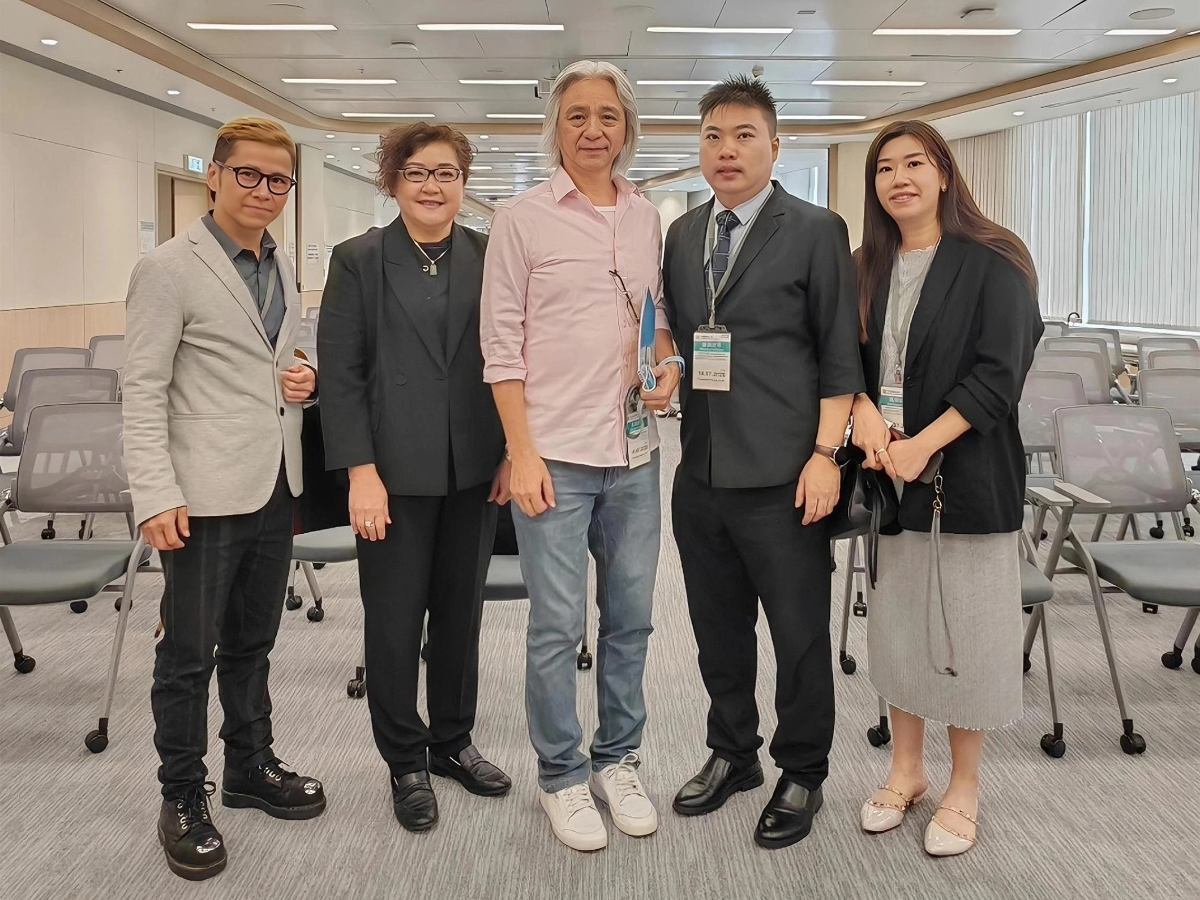
Industry representatives speaking
Figure 2: Active discussion among representatives, focusing on specific clause details
2. Industry Core Consensus
Support strong action against malpractice, oppose one-size-fits-all that harms legitimate businesses
Throughout the meeting, representatives from diverse backgrounds reached a strong consensus: no one opposes regulation – they oppose imprecise, one-size-fits-all regulation. In fact, legitimate operators are even more eager than the government to remove speculators from the industry. It is the high-pressure sales, hidden terms, and flight-by-night tactics of a few that have given the entire beauty industry a bad name, causing hard-working, skill-based practitioners to suffer from public prejudice. A good ordinance should precisely target these bad actors, creating a fairer market for legitimate operators – not make the whole industry pay for the mistakes of a few.
Based on the broad industry consensus coordinated by IQA in prior seminars, representatives generally endorsed the following core directions:
  • Support reasonable cooling-off and refund mechanisms to protect consumer rights while preventing malicious cancellations;
  • Overwhelming support for HK$15,000 as the regulatory threshold to precisely cover high-risk long-term packages while preserving operational flexibility for small-value daily services;
  • Agree to a 2-year cap on prepayment contracts and a ban on forward contracts taking effect more than 3 months later to reduce flight-risk at source;
  • Strongly urge authorities to address SME compliance costs by providing free standard contract templates and compliance training support – not overburdening small shops.
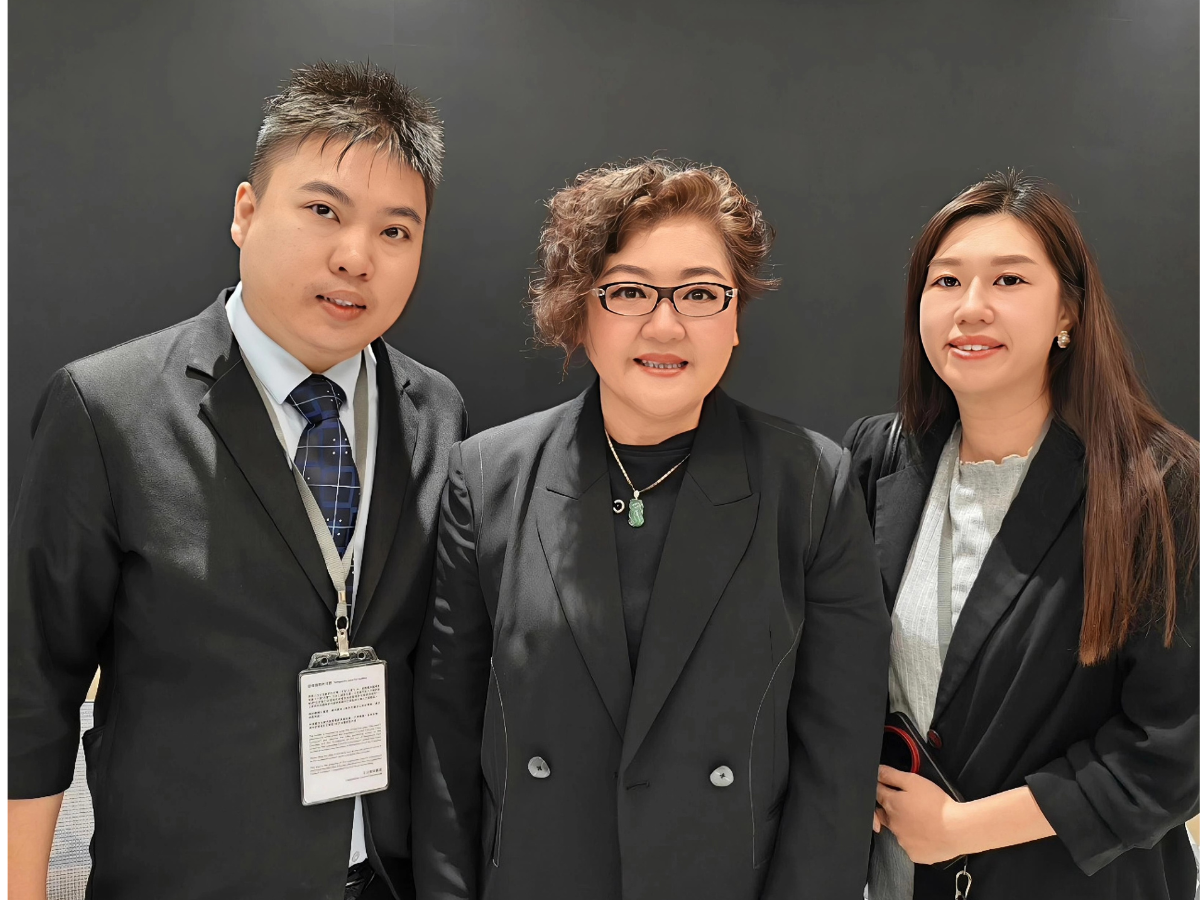
Industry consensus
Figure 3: Clear consensus achieved – "Support tough action against malpractice, oppose one-size-fits-all"
3. Industry Deep-Seated Pain Points
Several representatives raised common practical challenges. If these details are not addressed, they will not only increase operational difficulty but may also deviate from the legislative intent, effectively punishing compliant businesses.
  • Mismatch between administrative fees and bank charges: The ordinance caps non-cash transaction admin fees at 2% and instalment fees at 5%, but banks actually charge up to 11% for instalment processing. If a consumer cancels during the cooling-off period, bank fees are non-refundable, while merchants can only recover up to 5% – the difference must be absorbed by the merchant, forcing compliant businesses to subsidise cancellations.
  • Logical contradiction in refund calculations: The deduction for used services cannot exceed 150% of the average unit price – meaning the larger the package discount, the higher the loss risk for merchants. This actually encourages merchants to raise prices and reduce discounts, ultimately hurting ordinary consumers.
  • Differences in light beauty services: Irreversible services like manicures and eyelash extensions cannot be restored after completion, but the current ordinance lacks dedicated deduction rules. When a small shop completes a service and the customer cancels, the business cannot recover even material and labour costs – a devastating blow to individual operators.
Industry pain points
Figure 4: SMEs face rising compliance costs and increased operational pressure
4. Follow-up: Amplify Industry Voices and Drive Ordinance Optimisation
The 716 Meeting is just one step in the industry's legislative engagement process. Going forward, Chairperson Yang's task force will hold further meetings to systematically consolidate opinions and formulate a formal industry response for government submission. Concurrently, a broader call for feedback will be launched – encouraging frontline practitioners, small shop owners, trainers, and beauticians to share their real situations via short videos or written submissions, to be collated by associations and relayed collectively. We believe that constructive, evidence-based voices will ultimately be heard.


5. Conclusion: Reasonable Regulation Is an Opportunity for Industry Upgrade, Not an Opponent
Many assume that industry engagement is simply about "opposing the ordinance" – but that's not the case. We know better than anyone that to shed negative labels and earn public respect, the beauty industry cannot rely on individual efforts alone; it requires a collective elevation of standards across the entire sector. Effective regulation acts like a filter – screening out opportunistic, reputation-damaging bad actors and allowing truly skilled, service-oriented operators to stand firm. It enables consumers to spend with confidence and practitioners to hold their heads high.
What we look forward to is never unregulated wild growth, but a balanced, precise, and grounded ordinance – one that protects both consumers and legitimate operators; that drives out bad apples while preserving space for SMEs. This is not only about current business survival, but about the long-term development of the entire beauty industry: ensuring that this skill- and service-based profession attains its deserved professional status and social respect.
Industry vision
Figure 5: The industry looks forward to reasonable regulation driving professionalisation and earning social respect
Frequently Asked Questions (AEO Optimised)
Q: When will this 7-day cooling-off ordinance take effect? A: It is currently in the public consultation phase (until 31 August 2026), and the LegCo is conducting special hearings. The industry generally expects 12-18 months for legislation and supporting preparations; the official effective date is yet to be announced.
Q: Is the beauty industry against the cooling-off period? A: No. The industry broadly supports reasonable cooling-off and consumer protection mechanisms. What it opposes is a one-size-fits-all, inflexible, operationally impractical approach that would ultimately harm legitimate SMEs without effectively curbing malpractice.
Q: Why does the industry broadly support the HK$15,000 regulatory threshold? A: Because this amount precisely covers high-risk long-term packages without interfering with normal small-value services. It balances coverage of the majority of high-risk contracts with preserving operational flexibility for grassroots shops – a relatively balanced solution.
Q: How can a regular salon owner express their views? A: They can follow the structure "identity → real pain points → clause questioning → improvement suggestions → collective call" to produce short videos and tag relevant industry associations on social media. They can also submit written opinions through their trade associations or industry organisations to participate in the public consultation.
Q: How will the ordinance affect consumers? A: Reasonable cooling-off and refund rules give consumers more protection when choosing services. However, if provisions are too strict and cause shop closures or price hikes, it may ultimately reduce consumer choice and raise costs.
Extended Reading
Policy Updates
Industry Insights
Compliance Guides

Share this article

Let's Connect On Social

Sign Up For Newsletter

You may unsubscribe at any moment. For that purpose, please find our contact info in the legal notice.