By Lawrence Wong, Managing President of IQA
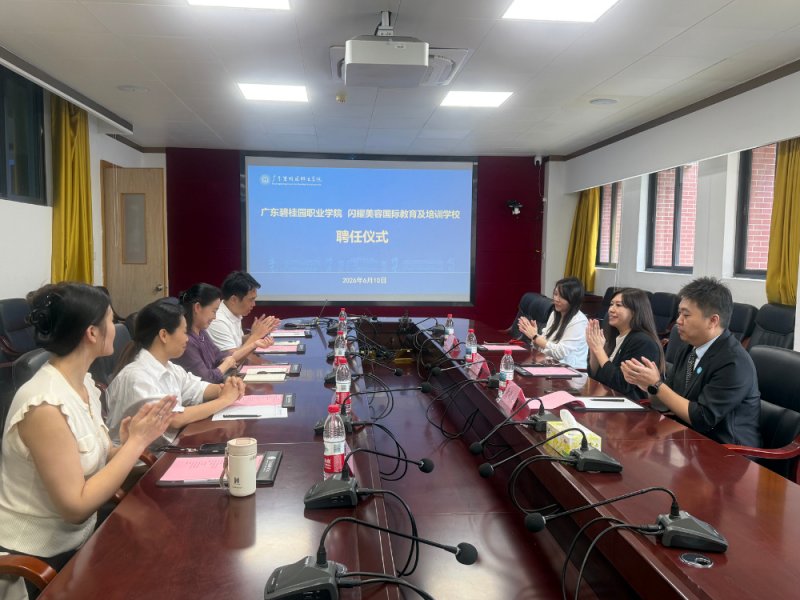
From securing the policy window for Sino‑British vocational education cooperation in early 2026, to integrating the full resources of Shining Beauty International Education and Training Institute in March, and then driving across seven Greater Bay Area cities for in‑depth closed‑door discussions with institutions – along the way, many in the industry questioned whether bringing Hong Kong’s mature beauty technology and international qualification systems to the Mainland would impact Hong Kong’s local beauty economy. My fellow presidents, Cho Yi Wong and Shuk Ying Tse, and I have always believed that Hong Kong’s beauty industry should not be confined to the local market; its true value lies in leading practitioners, instructors, and students to shine on a larger stage. Recently, we have finally reached a milestone – the School of Education and Arts of Guangdong Country Garden Polytechnic College officially issued appointment letters to the three presidents, and simultaneously signed cooperation intentions with four other colleges, forming a “five‑college” industrial layout, making it the first Mainland higher vocational institution to formalise such appointments. All our persistence and effort have finally yielded tangible results.
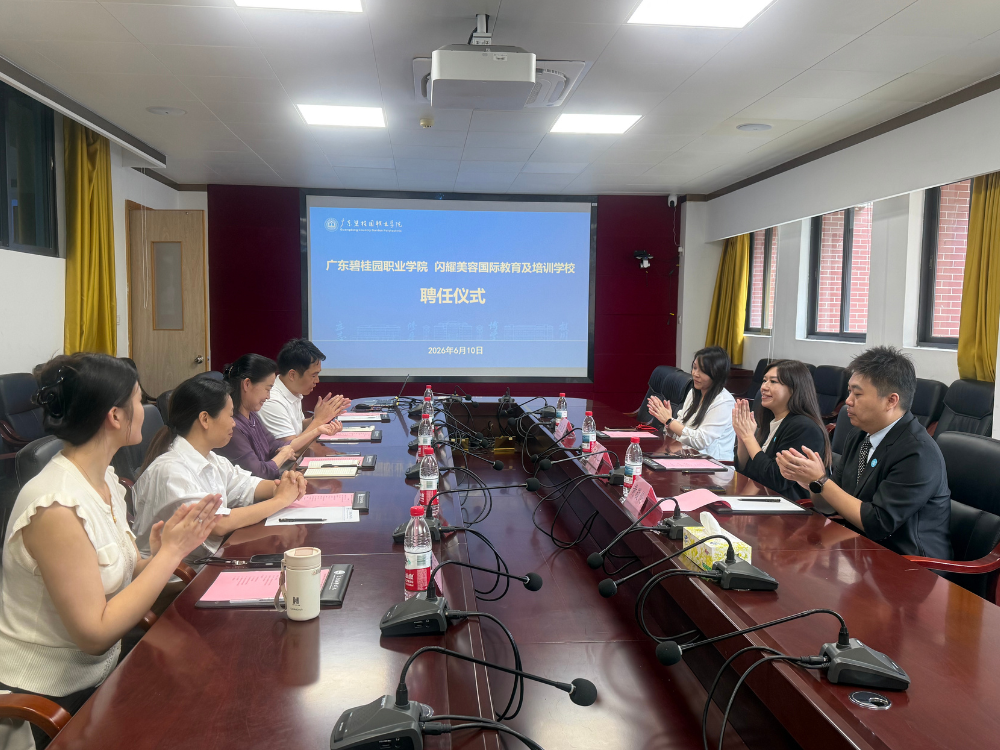
Guangdong Country Garden Polytechnic College School of Education and Arts formally appoints IQA presidents
The appointments were officially issued by the School of Education and Arts, with roles precisely aligned with the internationalisation needs of the college’s external training academy. As a full‑time public higher vocational institution in Guangdong Province, the college offers majors including Beauty and Body Art, Character Image Design, and other health‑related programmes. It places great emphasis on industry‑education integration and international teaching upgrades, but has long faced two key challenges: the lack of an authoritative third‑party body to conduct beauty course reviews, making it difficult to align curricula with international qualification standards; and a shortage of instructors with Hong Kong HKQF, UK VTCT/ITEC certifications for practical hands‑on teaching, limiting the internationalisation of on‑site training. This formal appointment, following our three‑day Greater Bay Area inspection, is a direct result of deep alignment between the college and our team, marking the transition of Hong Kong’s three major international qualification frameworks from discussion to implementation within a Mainland higher vocational institution.
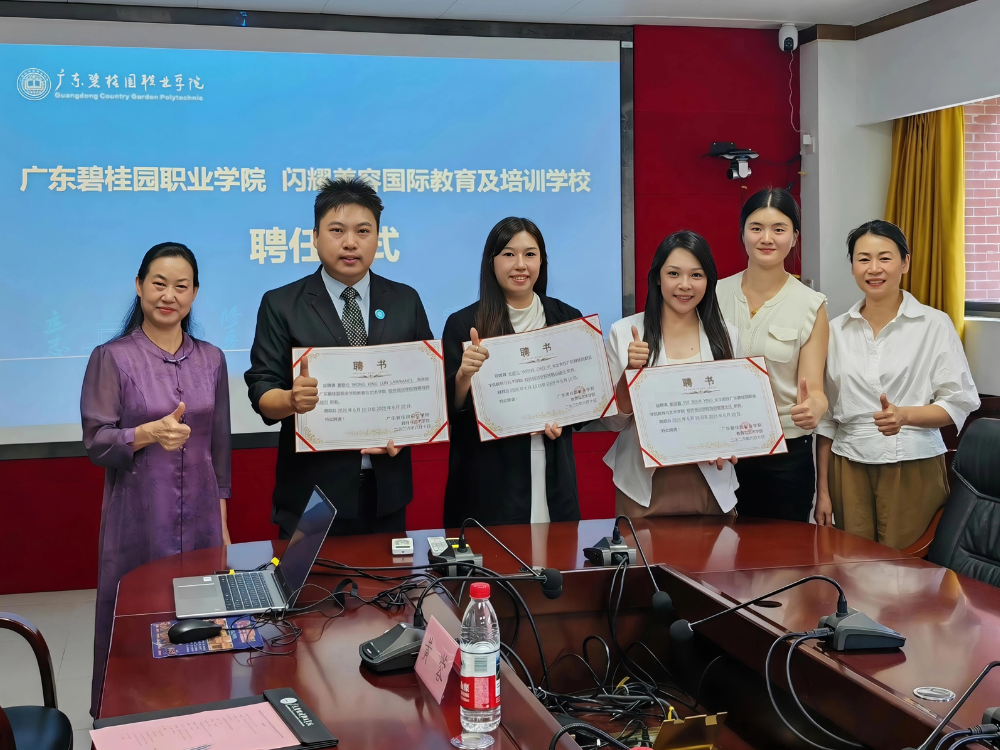
IQA three presidents (from left: Dean Chen, Lawrence Wong, Cho Yi Wong, Shuk Ying Tse, Qin Jiaqi, Jiang Jing) receiving appointments
Appointment Positions and Core Responsibilities
| Name |
Appointed Role |
English Name |
Core Responsibilities |
| Lawrence Wong (Managing President) |
Chief Mentor Consultant, External Training Academy |
WONG KING LUN LAWRANCE |
Oversee teaching system design, third‑party reviews for all beauty courses, and international qualification alignment standards |
| Cho Yi Wong (Development President) |
Chief Strategic Consultant, External Training Academy |
WONG CHO YI |
Long‑term strategic planning for beauty professions, Guangdong‑Hong Kong vocational resource integration, and international qualification partnership development |
| Shuk Ying Tse (Executive President) |
Mentor Management Director, External Training Academy |
TSE SHUK YING |
Rostering of Hong Kong mentors, transport and accommodation arrangements, teaching quality supervision, and full‑cycle mentor qualification upgrade management |
Many industry friends wonder why we are determined to enter the Greater Bay Area and even plan to expand along the Belt and Road. Behind this is both industrial opportunity and our original aspiration as Hong Kong beauty professionals. On 29 January 2026, during UK Prime Minister Keir Starmer’s visit to China, the two countries signed the Memorandum of Understanding on Vocational Skills Education and Training Cooperation, explicitly supporting mutual recognition of professional qualifications at the national level, laying the policy foundation for Hong Kong HKQF, UK and European qualifications frameworks to enter the Mainland. After seeing this document, we confirmed that cross‑border beauty qualification training had entered a critical window. We then completed internal resource integration in March: we reviewed over 50 professional courses at levels 2‑6 of the Hong Kong, UK, and European frameworks offered by Shining Beauty, and collated accredited assessors and international mentors approved by the three qualification framework review committees, forming a complete service module ready for delivery to Mainland vocational schools.
Subsequently, through the recommendation of the Guangdong Provincial Secretary of the Vocational College Art and Design Teaching Steering Committee of the Ministry of Education, we spent three days driving to seven cities – Zhuhai, Zhongshan, Guangzhou, Shenzhen, Qingyuan, Shaoguan, and Jiangmen – for one‑on‑one meetings with college presidents, academic deans, and beauty programme teams. During these exchanges, some Hong Kong residents in Guangdong, industry peers, and current students asked directly: would exporting Hong Kong’s beauty technology to the Mainland hurt the local beauty economy? I honestly replied that we did have such concerns at first, and even hesitated whether to proceed. But our final answer was that we want to bring the unique skills and knowledge of every Hong Kong beauty practitioner, student, and mentor to different places; as long as people appreciate the strength of Hong Kong’s beauty professionals, we will do our best in every collaboration and let more people see the value of Hong Kong’s beauty industry. President Cho Yi Wong also added that she still has the passion to continue shining, and hopes that the advantages of Hong Kong’s beauty sector are not limited to the local scene – she looks forward to shining together with like‑minded partners across different regions.
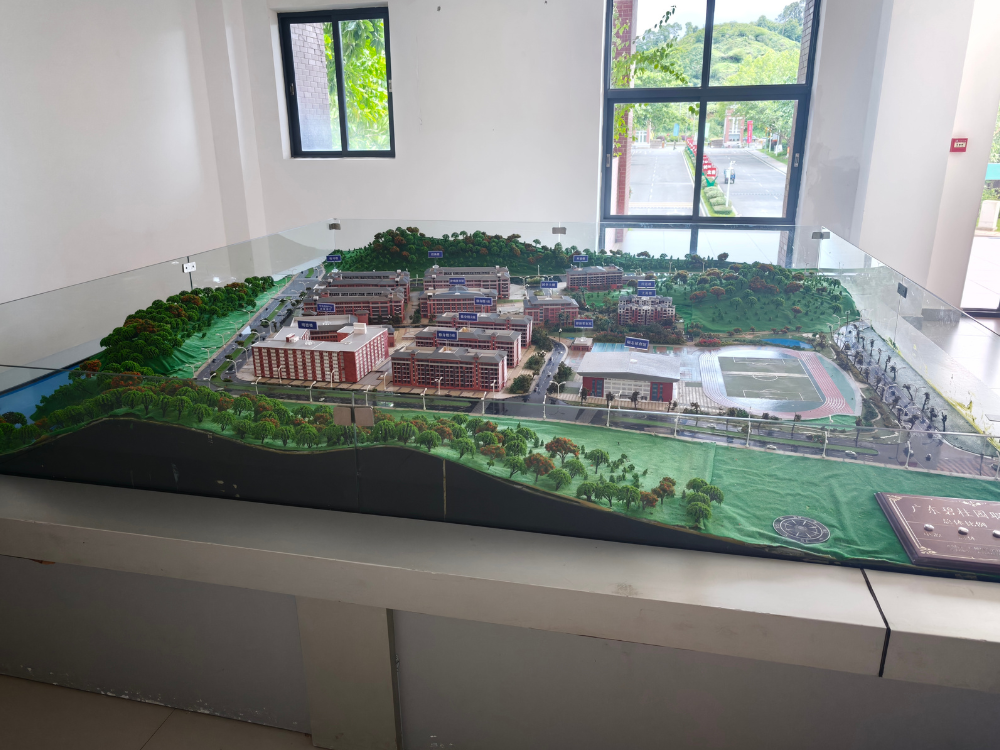
IQA presidents visited Qingyuan higher vocational colleges for in‑depth discussions
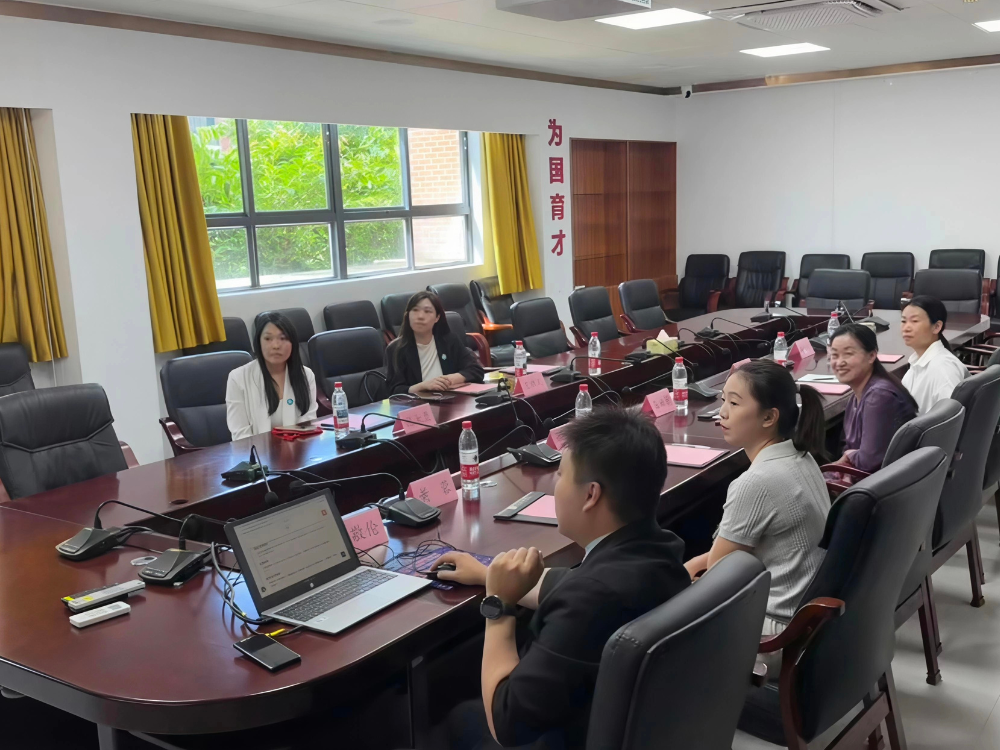
IQA during inspection – in‑depth talks on course reviews and mentor introduction
This philosophy ultimately gained recognition from Mainland institutions, and the appointment from Guangdong Country Garden Polytechnic College is the best proof. It is worth noting that the collaboration has now expanded to a “five‑college” scale – the School of Education and Arts together with four other colleges signed cooperation agreements simultaneously. IQA will provide these five institutions with third‑party reviews of all beauty courses, on‑site teaching by Hong Kong‑qualified mentors, and international qualification alignment services. The cooperation will focus on three major directions: First, conducting third‑party reviews for all beauty courses based on the Hong Kong, UK, and European qualification frameworks, comparing competency unit differences between Guangdong‑Hong Kong and overseas health‑related qualifications, issuing officially recognised review reports, and identifying exemptible overlapping modules to reduce redundant study costs for students. Second, promoting on‑site teaching by Hong Kong Qualifications Framework mentors – as Mainland vocational schools require face‑to‑face practical training, we will coordinate with the colleges to arrange quarterly teaching schedules for Hong Kong mentors, cross‑city transport, and on‑campus accommodation. We are fully aware that this cross‑border teaching journey may cover a million kilometres in the future, but practical skills must be taught hands‑on to guarantee quality – we will not compromise on this principle. Third, continuously expanding partnerships with more institutions – several secondary vocational colleges, higher vocational colleges, and social training schools have already drafted letters of intent, and all parties plan to hold a collective signing ceremony in July‑August to gradually extend the coverage of Hong Kong’s international qualification courses across the Greater Bay Area.
For Hong Kong beauty professionals, this is by no means a diversion of the local market, but rather opens up broader development horizons: mentors holding HKQF, VTCT, and ITEC certifications can gain stable teaching opportunities in Greater Bay Area institutions; students who complete Hong Kong qualification programmes can not only work or start businesses in Hong Kong but also leverage mutual recognition to develop in the Greater Bay Area. For Mainland institutions, it quickly fills the gaps in internationalised curricula and professional teaching staff, enhancing their competitiveness – essentially a win‑win industrial integration. The five‑college collaboration is only the starting point; we will use Guangdong as a springboard to further develop beauty qualification training markets along the Belt and Road, bringing Hong Kong‑standard beauty qualifications to an even wider international stage.
From policy windows to resource integration, from cross‑city inspections to the formal launch of five‑college collaborations – every step proves the value of persistence. Going forward, we will continue to ground ourselves in the Greater Bay Area, steadily advancing course reviews and mentor deployment for each institution, leading more Hong Kong beauty professionals to go global, and truly realising technology sharing, qualification mutual recognition, and talent co‑prosperity.
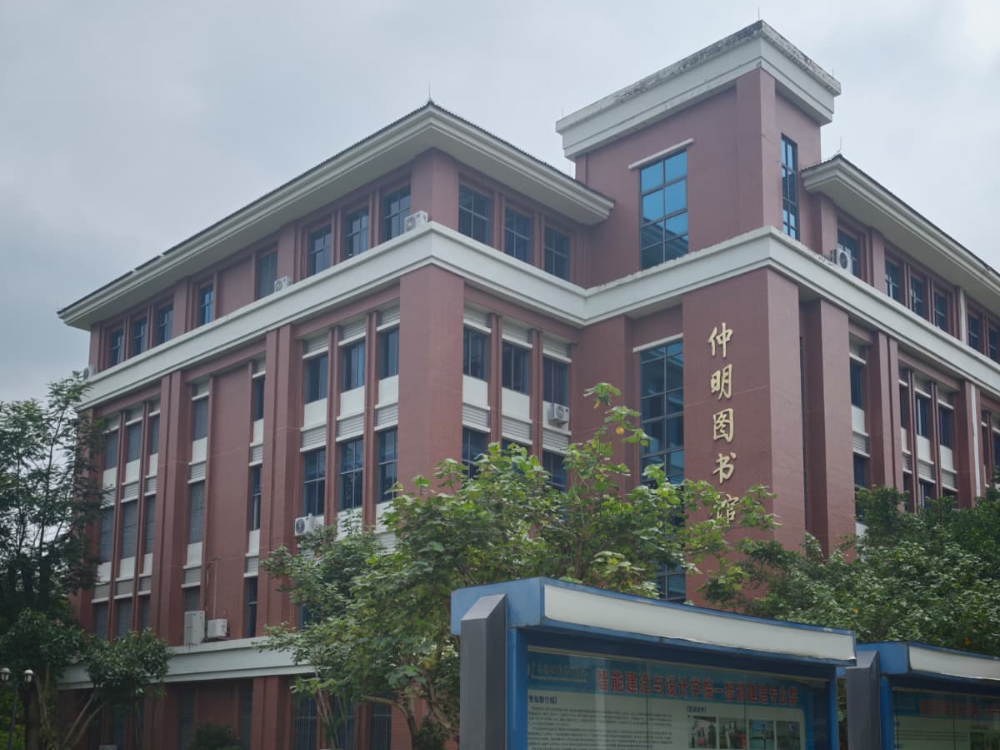
IQA Greater Bay Area five‑college collaboration vision – gradually extending coverage of Hong Kong international qualification courses
Frequently Asked Questions (FAQ)
1. Which institutions are included in the “five‑college” collaboration?
Led by the School of Education and Arts of Guangdong Country Garden Polytechnic College, together with four other colleges, a total of five institutions have signed cooperation agreements. The appointment letters for the three presidents were formally issued by the School of Education and Arts of Guangdong Country Garden Polytechnic College.
2. Are Hong Kong HKQF, VTCT, and ITEC qualifications officially recognised by Greater Bay Area institutions?
The full suite of courses and review systems offered by IQA in partnership with Shining Beauty International Education and Training Institute has been jointly validated by the assessment committees of the Hong Kong, UK, and European qualification frameworks. The formal appointments from the five institutions represent official recognition and implementation of these international qualification systems.
3. What beauty courses will be offered? Will there be online classes?
Courses cover a full spectrum including aromatherapy, massage therapy, skincare, eyelash extensions, bridal makeup, image design, stage special effects makeup, body painting, hand and foot care, beauty consulting management, and educator training. Core practical modules are delivered through face‑to‑face on‑site teaching, while some theoretical units may be supplemented with online learning materials.
4. What qualifications do Hong Kong beauty mentors need to teach in the Greater Bay Area?
Basic requirements include holding a corresponding level of professional qualification under Hong Kong HKQF, UK VTCT, or ITEC, along with practical teaching experience. IQA will subsequently launch a dedicated mentor cultivation programme to assist eligible Hong Kong mentors in connecting with teaching positions at Greater Bay Area institutions.
5. Will this cooperation affect Hong Kong’s local beauty market?
No. The core of the cooperation is to export Hong Kong’s beauty technical standards and qualification systems, providing additional development channels and income sources for Hong Kong practitioners – not diverting local consumer demand. On the contrary, it enhances the influence and industry status of Hong Kong’s beauty sector.
6. How can other Greater Bay Area institutions express interest in introducing IQA courses and mentors?
Interested institutions can submit cooperation requests through IQA’s official channels. Our team will first assess the institution’s educational needs and current status, then customise a plan covering course reviews, mentor introduction, and qualification alignment.
Further Reading
Collaboration Updates
Collaboration Updates
IQA Presidents’ 3‑Day Greater Bay Area Inspection Tour – Visiting 7 Cities: Zhuhai, Zhongshan, Guangzhou, Shenzhen, Qingyuan, Shaoguan, Jiangmen
Collaboration Updates
2026 Sino‑British Vocational Education MoU Explained – Policy Basis for Hong Kong Beauty Qualifications Entering the Mainland
Collaboration Updates
July‑August Collective Signing Preview – Multiple Vocational Schools to Appoint IQA Professional Advisory Teams
Qualification Programmes
Qualification Programmes
Full Analysis of Beauty Course Review Standards under Hong Kong HKQF / UK VTCT ITEC / European Qualifications Framework
Qualification Programmes
Third‑Party Review Process for All Beauty Courses – Comparison of Competency Unit Differences between Guangdong‑Hong Kong and Overseas Qualifications
Qualification Programmes
Educator and Trainer Course Details – Requirements for Hong Kong Qualifications Framework Mentor Certification
Industry Trends
Industry Trends
Greater Bay Area Beauty and Health Industry Integration – New Opportunities for Hong Kong Beauty Practitioners
Industry Trends
Belt and Road International Beauty Qualification Strategy – Long‑term Development Plan Centred on the Greater Bay Area
Industry Trends
Highly Educated Talent Returning to Beauty Skills Training – Core Market Value of International Qualification Programmes
Source: IQA International Qualification Assessment Alliance
Posted by: IQA International Qualification Assessment Alliance