Under AI Impact & Job Cuts, More University Graduates Return to Beauty Industry:
Qualifications & Skills Become New Career Path
Objective and Neutral | Based on Latest Employment Data, Real Cases & Industry Trend Analysis
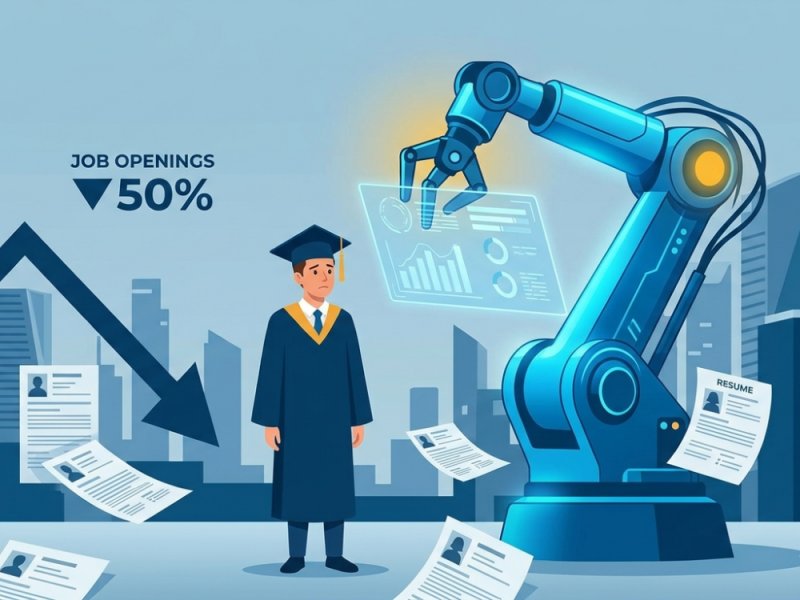
Recent employment data and news reports indicate that fresh university graduates in Hong Kong are facing unprecedented employment pressure. Over five years, the number of full-time positions specifically for fresh graduates has dropped by half. Meanwhile, the spread of artificial intelligence has replaced many junior administrative and repetitive roles, making it increasingly difficult for graduates to find jobs and narrowing their career options. At the same time, a notable new trend is emerging: not only university graduates but also professionals from various backgrounds are choosing to join the beauty industry. Graduates are returning to the beauty technical field, obtaining recognised qualifications and mastering professional skills to build stable and promising career paths.
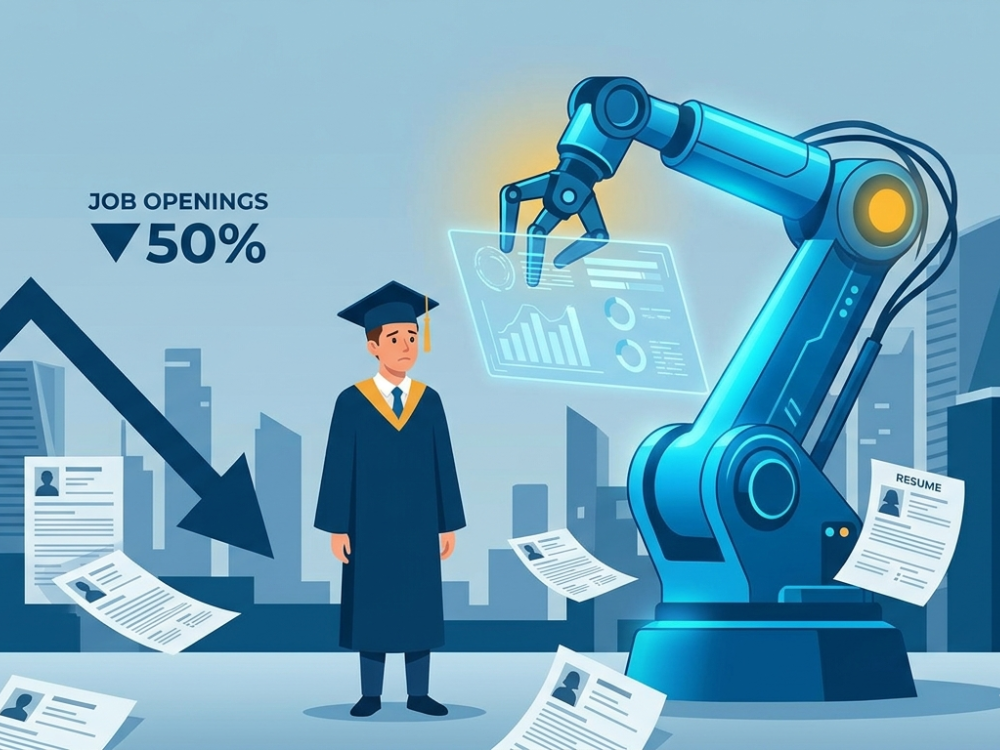
Image 1: Under AI impact, traditional junior positions have decreased significantly, prompting young graduates to shift towards skill‑based industries
1. Real Data & Cases: Sharp Contraction of Graduate Employment Market
According to the University Joint Employment Database, full-time positions for fresh graduates fell from about 15,000 in the fourth quarter of 2021 to approximately 7,500 in the same period of 2025 – a drop of over 50%, hitting a new low in recent years. Many graduates, even with good grades and internship experience, face rejection and very few interview opportunities.
For instance, Veronica, 23, who studied advertising design, has been unable to find a related full‑time job since graduation. She can only rely on part‑time cafe work and occasional freelance design projects to make ends meet, while also feeling social pressure and self‑doubt, worried that "not having a full‑time job after graduation doesn't meet societal expectations."
Yumi, about to graduate with a degree in economics and data analytics, has sent out nearly 200 job applications but received only two interview invitations. Despite her good academic record and rich internship experience, she feels embarrassed and powerless, even afraid to tell her family about her employment struggles.
Recruitment platform analyses indicate that junior positions are often repetitive in nature. As AI technology becomes more widespread, many basic clerical, data processing, and administrative roles are being replaced. Employers’ hiring needs and standards for graduates have changed significantly. The number of junior, easily substitutable positions is shrinking, drastically reducing the job market competitiveness of graduates who hold academic degrees but lack practical skills.
Youth employment organisations also warn that cuts in junior positions affect the overall talent training system. They suggest young people enhance soft skills such as communication and problem‑solving to strengthen their irreplaceability.
Source: TVB News
Source: TVB News
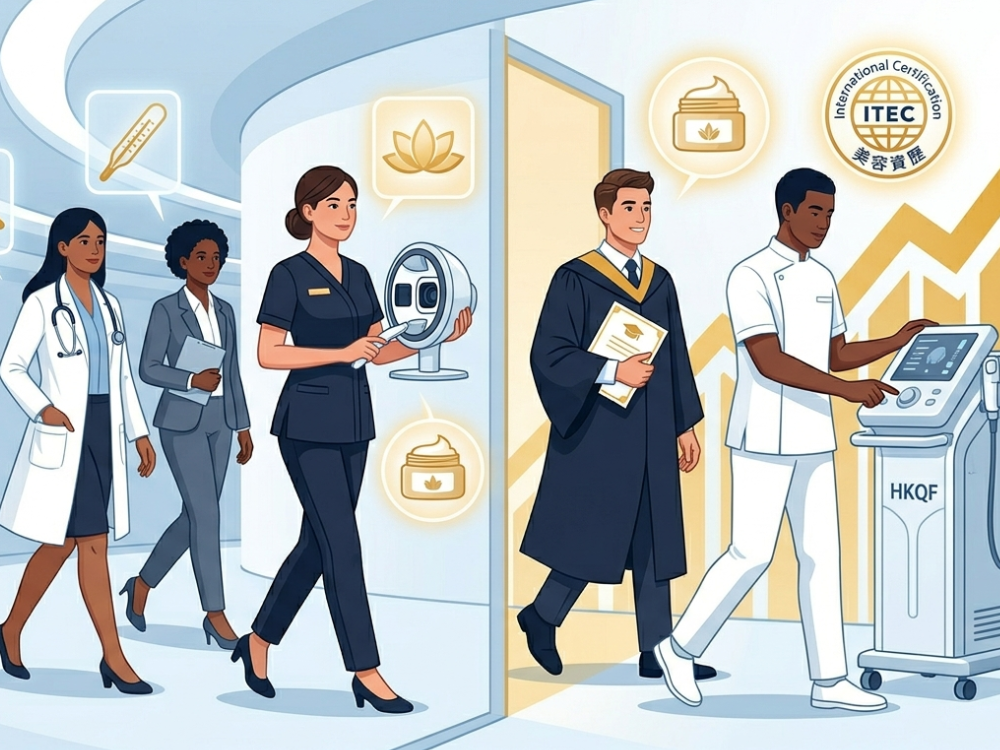
Image 2: Lawyers, nurses, and university graduates are enrolling in beauty qualification courses, opening new career paths
2. Cross‑Industry Professionals & Fresh Graduates Joining the Beauty Industry – A New Trend
Not only are working professionals re‑planning their career paths, but more university graduates are also giving up traditional white‑collar jobs and actively turning to the beauty technical and qualification sector.
According to recent enrolment data from Luster Beauty International Education & Training Academy, the industry is attracting a large number of highly educated individuals, including dozens of practising lawyers, nurses, doctors, as well as over twenty fresh bachelor's degree graduates who have proactively signed up for beauty qualification and technical courses, choosing to develop their careers in the beauty industry.
This group of highly educated individuals comes from various backgrounds, mainly driven by three objectives:
- Expanding new business areas: Adding services such as skin management and device‑based treatments to their existing practice, diversifying their business models and creating multiple income streams.
- Turning personal interest into a career: Passionate about aesthetics, professional skincare, and body‑mind healing, they want to transform their interests into long‑term professional skills and careers.
- Market response and business transformation: In the face of industry cycles and the replacement of junior roles by AI, they are proactively building a second career to enhance their professional resilience.
This trend fully demonstrates that the beauty industry has completely shed its old stereotype of "low education, low entry threshold". It has become a professional field recognised and valued by high‑end talent such as lawyers, medical professionals, and university graduates. Official qualifications and standardised techniques have become a new competitive edge for this group.
3. Why Has the Beauty Industry Become a New Hot Career Choice for Graduates?
Against the backdrop of a significant contraction in traditional white‑collar positions and the continuous replacement of repetitive work by AI, coupled with the demonstrative effect of many highly educated professionals switching to the industry, the beauty sector has become an excellent new option for fresh graduates. The modern beauty industry is highly professionalised and technical, perfectly matching the thinking advantages and development needs of highly educated individuals:
- 1. Unique skills that are difficult for AI to replace
Beauty services, scientific skin management, professional equipment operation, manual dexterity, client communication, and healing experiences all require human judgment, accumulated experience, and a personal touch. AI can only organise data; it cannot replicate tactile sensation, aesthetic judgement, or personalised service. These skills have high irreplaceability. - 2. Comprehensive qualification system with official recognition
The beauty industry has a well‑established Hong Kong Qualifications Framework and international certification system. Through systematic learning, graduates can obtain professional qualifications recognised by official bodies and the market, overcoming the employment dilemma of "having a degree but lacking practical ability". - 3. High income flexibility and diverse career paths
Compared to the fixed, relatively low starting salaries of traditional junior clerical jobs, beauty industry income is directly linked to technical ability and service reputation. Advancement does not depend on seniority or job hierarchy. Graduates can become senior technical specialists, training instructors, competition judges, start their own studios, or run brand projects – offering far more development possibilities than traditional white‑collar jobs. - 4. Large industry gap – urgent need for young, highly educated talent
The beauty industry has long faced an ageing workforce and a shortage of young new blood. As consumer demands for scientific beauty, hygiene safety, and professional services continue to rise, the industry urgently needs university graduates with logical thinking, strong learning ability, and high service quality to drive industry upgrading.
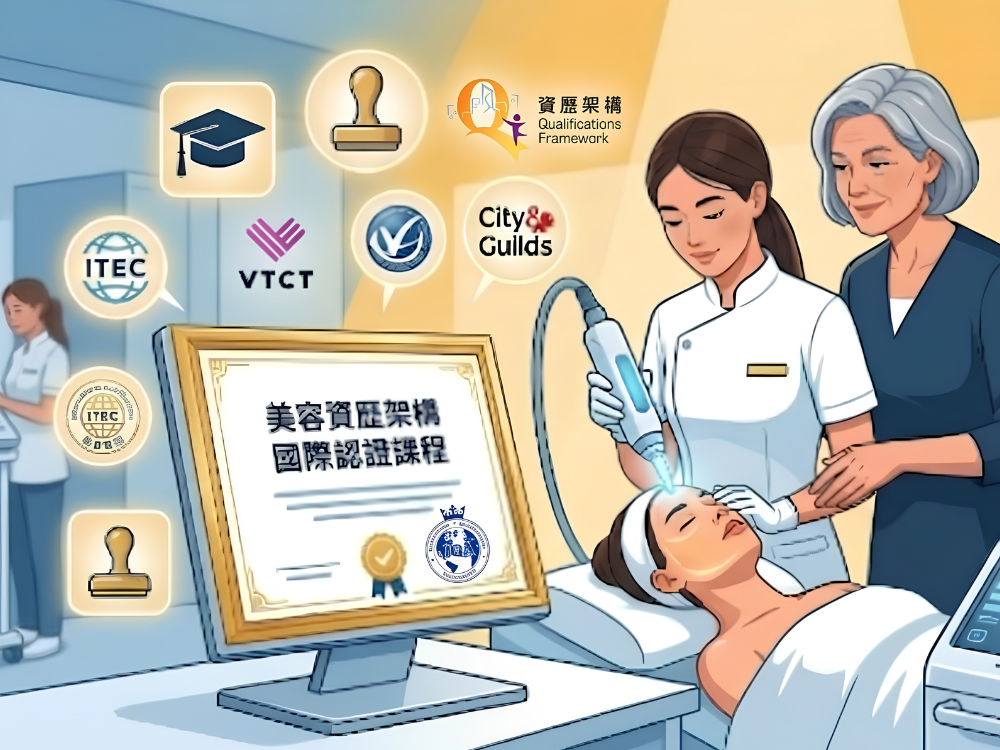
Image 3: Systematic learning of official qualification courses, obtaining international certifications, building an irreplaceable technical advantage
4. Core Keys for Graduates Entering the Beauty Industry: Qualifications + Skills
For highly educated graduates, choosing the beauty industry is not a "second‑best" option but an active choice for a more stable and competitive long‑term career path. For these talents, the focus is not simply on "doing manual work" but on "standardised, professional, systematic" development:
- ✅ Obtain officially recognised Qualifications Framework certificates, building a professional and standardised technical foundation, and mastering industry assessment principles and safety standards.
- ✅ Deepen expertise in advanced technical areas such as scientific skin management, professional equipment application, and healing therapies, creating an irreplaceable personal specialisation.
- ✅ Leverage the communication, psychology, marketing, and data thinking skills acquired at university to elevate service quality, differentiate themselves from traditional practitioners, and build a personal professional brand advantage.
AI can replace paperwork, data processing, and repetitive administrative tasks, but it can never replace hands‑on experience, professional judgement, service warmth, and standardised technical qualifications.
5. Conclusion: There is No Standard Answer for Career – Irreplaceability is the Real Long‑Term Protection
The latest employment data shows that the traditional formula of "university degree = white‑collar job" has completely broken down. AI impact, a sharp drop in junior positions, and intensifying competition have made more young people and professionals realise: a degree alone is no longer enough. Having market‑recognised skills and qualifications is the real career safeguard.
Whether they are senior professionals like lawyers, doctors, nurses, or fresh bachelor's graduates, many are starting to position themselves in the professional beauty sector. This new industry trend fully demonstrates that the beauty industry has transformed into a modern service industry characterised by high professionalism, high recognition, and high development potential.
For the younger generation, letting go of career stereotypes and building personal competitiveness through "degree + skills + official qualifications" is the golden path to surviving the employment winter and forging their own future.